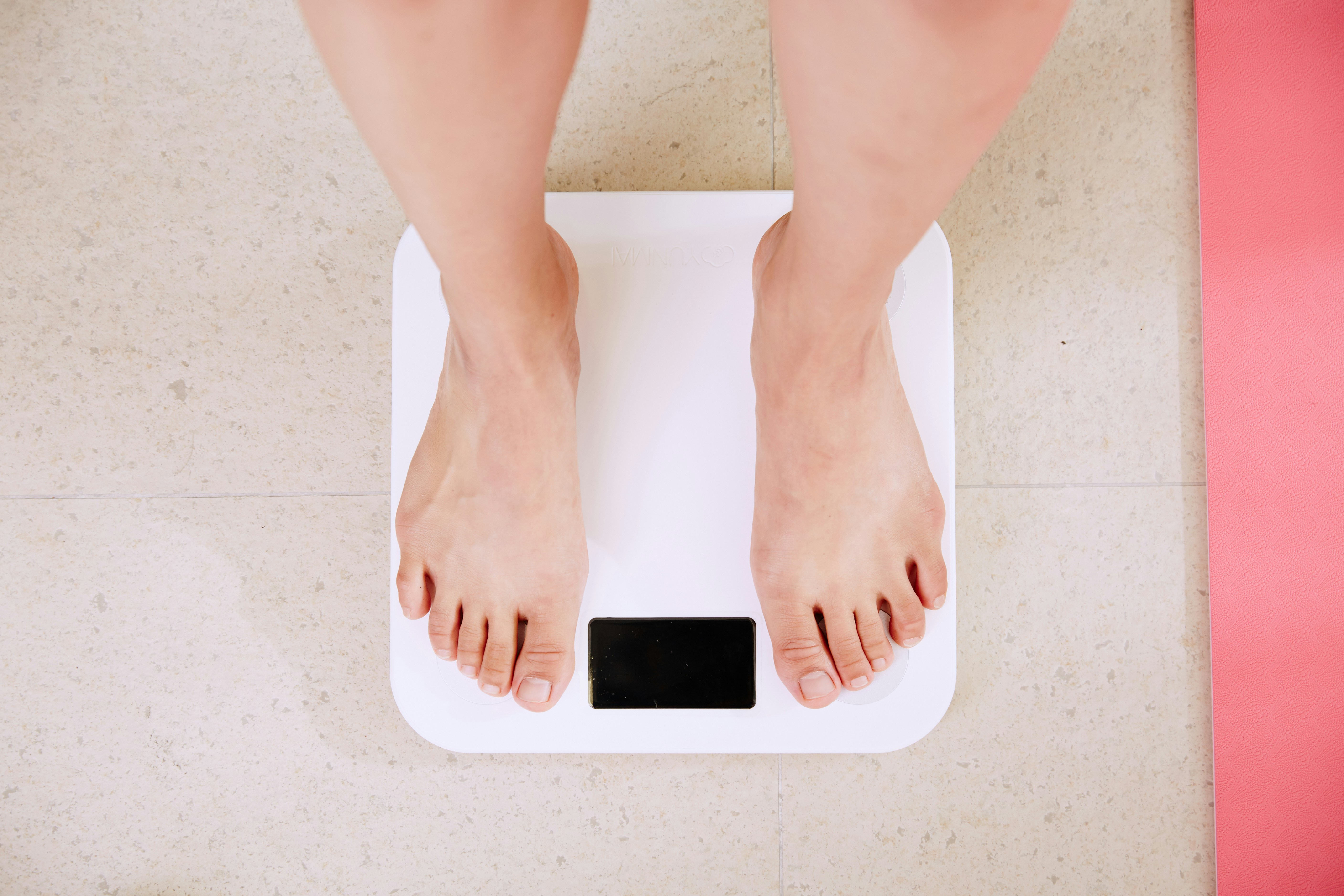


You step on the scale. The number goes up. Your day feels different now. Sound familiar? Many people feel pulled in two directions. One part wants to see the number drop. Another part wants to feel stronger, sleep better, and move through life with more energy.
This is a real and common internal conflict. And most advice picks a side. Some content treats any focus on weight as harmful. Other content makes the scale the only thing that matters. Neither approach helps you understand your own situation.
There is no winner here. Weight loss goals and health goals are not enemies. They overlap more than diet culture would have you believe. This page helps you understand what each approach offers, where each one falls short, and how to find the focus that fits your real life.
Weight Loss Goals vs Health Goals: Quick Comparison
Dimension | Weight Loss Goals | Health Goals |
|---|---|---|
Main focus | The number on the scale | Behaviors and how you feel |
How progress feels | Tied to a single measurement | Tied to energy, sleep, mood, movement |
Timeline | Often short-term and outcome-driven | Often longer and process-driven |
Risk | Can fuel restriction and guilt | Can feel vague without a clear marker |
Motivation source | External target | Internal awareness and self-trust |
Sustainability | Harder when willpower runs out | Easier to repeat over time |
Best for | People who want a concrete reference point | People who want lasting, flexible change |
Weight Loss Goals
Weight loss goals give you something concrete. A number. A direction. For many people, that clarity feels reassuring. It is easy to measure and easy to share with a doctor when relevant. There is nothing wrong with wanting your body to change. That desire is human and valid.
The scale can also surface useful information. It is one signal among many. When you pair it with awareness of how you feel, it becomes a data point rather than a verdict.
Where weight loss goals get harder
The challenge is when the number becomes the only thing that matters. Diets built on restriction tend to create a cycle. You hold tight, willpower runs out, and the pattern reverses. The scale can move for many reasons that have nothing to do with your effort. Water, sleep, stress, and hormones all play a part. When you tie your worth to a single measurement, a normal fluctuation can feel like failure.
Weight loss goals suit people who want a clear reference point and can hold that number loosely. The key is keeping it as one signal, not the whole story. Awareness over restriction keeps this approach sustainable.
Health Goals
Health goals focus on behaviors and how you feel. Sleeping better. Moving more. Feeling steady energy through the afternoon. Eating in a way that connects you to your body's hunger and fullness signals. These goals are about the journey, not a single end result.
This approach tends to last longer. When you build habits around how you want to feel, you are not relying on willpower to override restriction. You are learning what works for your real life. And often, sustainable weight changes follow naturally from these behaviors, without the pressure of chasing a number.
Where health goals get harder
Health goals can feel vague. Without a clear marker, some people struggle to know if they are making progress. It helps to define what better feels like for you. More energy in the morning. Less afternoon slump. Calmer meals. These become your signals.
Health goals suit people who want change that adapts to their life and does not collapse under pressure. They reward patience and self-trust. Progress shows up in patterns, not in a single number, so it asks you to pay attention to how you actually feel.
Which Is Right for You?
Start by noticing why each goal pulls at you. Does the scale give you clarity, or does it add anxiety to your morning? Do health behaviors feel motivating, or do they feel too vague to hold onto? There are no wrong answers. Your honest response is the useful one.
For many people, the answer is not either or. You might keep weight as one signal while focusing your daily attention on behaviors. You might set health goals first and let weight changes follow. The two can support each other when neither one becomes a source of guilt.
This is a learning process, not a moral test. The focus that fits you today might shift in six months, and that is fine. What matters is choosing an approach you can repeat without pressure, one that helps you understand yourself a little better each week.
How AteMate Helps
AteMate helps you see both at once. You journal your food, sleep, mood, movement, and how you feel. Over time, patterns emerge. You can watch how your energy responds to certain meals, or how your sleep shifts your appetite. Weight becomes one signal among many, not the only one.
If a number motivates you, you can track it. If it adds pressure, you can focus on behaviors and feelings instead. Your AI coach has full context of your journal and helps you understand the connections you cannot see yourself. It supports your judgment. It does not hand you rules or tell you what to eat.
This is awareness over restriction. Simple journaling, smart coaching, and patterns instead of perfection. Whether you lean toward weight loss goals or health goals, AteMate helps you find your Healthy without guilt and without pressure. Start your journal and see what your own patterns reveal.