
Key Takeaways
Nutritional deficiencies in vitamins like magnesium, B6, and B12 can impair your nervous system's ability to manage stress effectively.
Reducing caffeine intake helps calm anxiety symptoms since caffeine stimulates your central nervous system and can worsen jittery feelings.
Blood sugar spikes and crashes from sugary foods can negatively affect your mood and make you feel off-balance throughout the day.
Moderate alcohol consumption is important since alcohol acts as a depressant and can increase anxiety levels while disrupting sleep quality.
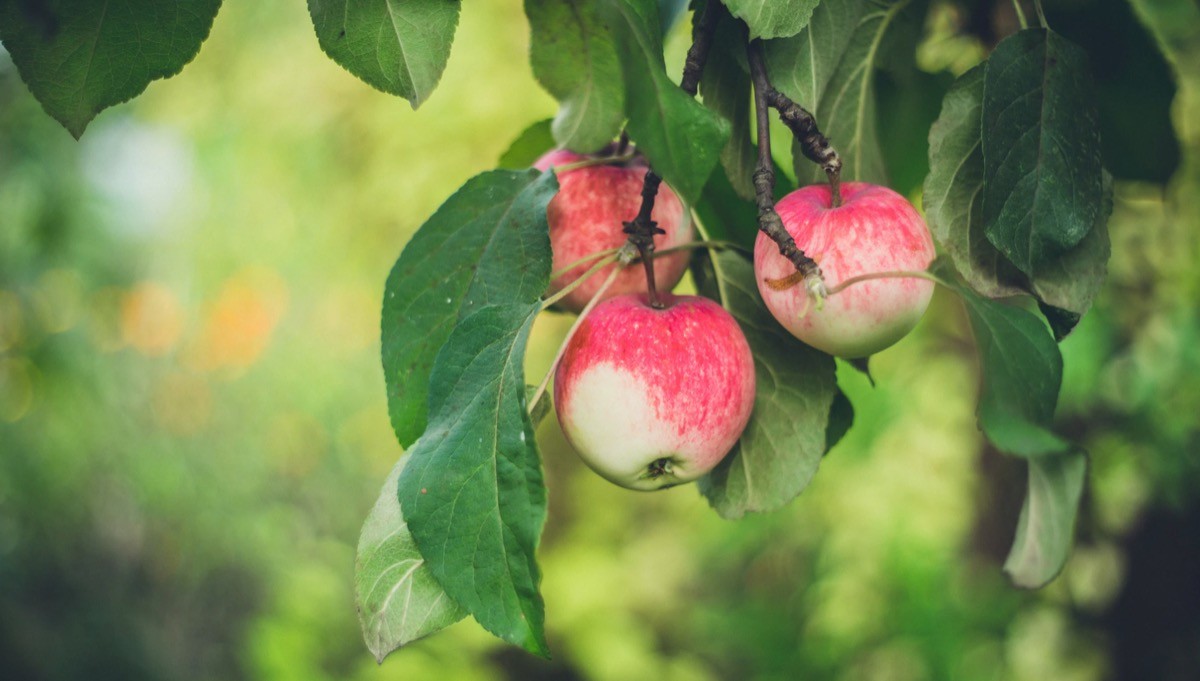
Filling half your plate with fruits and vegetables provides essential nutrients that help your brain better withstand and recover from ongoing stress.
As someone who has personally struggled with anxiety, I know just how overwhelming and exhausting it can be. I recall someone saying that throughout the COVID pandemic, we have become "more" of who we already were. For many of us, this has meant becoming even more anxious or stressed with worries and fears related to the virus and all its implications. I have been working on anxiety-reducing techniques that I have picked up both through my nutrition education and personal experience. If you are struggling too, I hope some of these recommendations will help.
In my practice, we never focus solely on food. It's just as much about our overall lifestyles, and it's the same when we're talking about anxiety and stress. Of course, there are diet and nutrition-related tools we can use, but there are plenty of other areas we can focus on too.
I suggest you begin with the "low hanging fruit" and don't take on everything at once, which can be an anxiety trigger itself. None of these recommendations should really come as a huge surprise, and interestingly, many of them overlap. Consider them gentle reminders of things that you DO have control over, in a time when you may feel you don't have much!
Eat Your Fruits & Veggies!
When you eat poorly, you are doing two things. First of all, you are preventing your body from receiving nutrients it needs from foods containing vitamins and minerals (which you get from eating an array of veggies, fruits, and whole foods). Second of all, you risk damaging the composition of your gut microbiome (more on this later).
Nutritional deficiencies (such as inadequate protein intake or lack of necessary vitamins & minerals like magnesium, vitamin D, B6, and B12) can impair the nervous system's ability to function optimally. It can also hinder certain reactions that occur in the body. As an example, serotonin synthesis (the well known "happiness hormone") requires certain vitamins for enzymatic processes to occur. And, keep in mind that a well-nourished brain is better able to withstand ongoing stress (in addition to recovering from illness)!
Start by including fruits and veggies you already know and love -- or at least don't hate! A good rule of thumb is to fill half your plate with them.
Reduce Caffeine & Alcohol
I am one of the biggest coffee lovers out there, but I also know that too much of it isn't actually a good thing. Reducing caffeine is always a good place to start when experiencing symptoms of anxiety because of its central nervous system stimulating effects. (It's actually the world's most widely consumed psychoactive substance!) But don't worry -- if you're a true coffee lover like me, this doesn't mean that you have to forgo it completely…it just means you have to watch how much you drink of it, and when.
The same goes for alcohol. I really enjoy having a glass of wine most days too, but I am careful to not have much more than that. Alcohol is a depressant, and while it may temporarily make us feel good, it's something that can potentially increase levels of anxiety. Alcohol acts a diuretic, which isn't good either since dehydration can be a stressor on the body. It often decreases sleep quality too, yet another stressor. So, needless to say, moderation is key. Plan your alcohol accordingly.
Don't Ride a Blood-Sugar Rollercoaster!
Rollercoasters can be fun if that's what you're into (I personally LOVE the Incredicoaster at Disneyland) but your body doesn't appreciate blood sugar spikes and drops! These spikes can affect your mood, never mind making you feel all jittery and "off". Sugar can also alter your gut bacteria (and not for the better)!
It seems an unfair reality that when we feel stressed and anxious, we often reach for foods that aren't great for us. Sugary foods trigger a release of serotonin, which makes us feel good temporarily, but it doesn't last long. If you're feeling the need for something sweet -- try fruit instead. Another idea is to come up with a healthier version of a favorite comfort meal so that the next time you're experiencing anxiety symptoms, you already know what to eat.
Consider Gut Health
You may have heard the saying "you are what you eat" but more accurately, it's "you are what you absorb". If you have a pretty unhealthy diet containing a lot of processed foods, chances are high that your gut is also a bit of a mess, and if you suffer from anxiety, this is an area you definitely will want to pay attention to.
There's a lot of communication going on between your gut and your brain. Studies suggest that your gut flora (or microbiota) is a key regulator in the gut/brain axis or this "communication" highway. Evidence is also suggesting that probiotics may help with mood, stress, and energy issues (especially certain strains), maintaining a healthy ratio of good gut bugs to bad, and a diversity of species. This is why some people choose to supplement with them. But you could also start by reaching for probiotic-rich foods like sauerkraut, miso, kimchi, kefir, and yogurt.
Exercise regularly
Movement isn't just great for your body -- it's great for your mind too. Studies show the brain-changing benefits of exercise. Exercise leads to the production of feel-good chemicals dopamine and serotonin and it has a positive effect on anxiety and stress. (Interestingly, people who exercise regularly also have a better microbiota!)
Aim for 2.5 hours (or half an hour 5x week) of moderate physical activity. I always recommend people start with whatever exercise they will most enjoy (and therefore are most likely to actually DO). If you don't enjoy exercise at all, just try walking. I know people who pair (habit stack) walking with listening to really great audiobooks or podcasts and it's something they really look forward to each day.
Manage Stress
Be the observer of your mind: observe your thoughts, but don't always believe them! There are many tools out there to help with stress management, but one that I always love to begin with is considering your personal boundaries and what you might need to start saying no to. (When we say "yes" to something, we are also saying "no" to something else -- it's important to make sure those yeses count!)
You're probably already familiar with relaxation techniques like meditation, deep breathing, and yoga. There are lots of apps out there like Calm, Headspace, and Insight Timer to help you with a meditation practice. There are many great free yoga videos online too. You just have to begin. Start small -- even if it's just for a minute or two. Use a daily trigger like brushing your teeth to signal the daily habit.
Another really important consideration is the amount of time you spend on your phone, scrolling through social media, and watching the news. Set yourself a timer and once the time is up, turn off your phone and get back to reality. Or, get out and take that walk instead! ;)
Sleep Well
When you're in a stressed state, your body actually needs MORE sleep than normal. Furthermore, a well-rested body can more easily deal with anything you throw at it. A lack of sleep impedes the functioning of the nervous system and can make anxiety worse.
Consider ways to improve your sleep hygiene and create healthy sleep routines. For example, you probably already set an alarm to get up for work but you could also set an alarm to get to bed! Other recommendations would be to avoid electronics at least a half-hour before bed, don't eat too close to bedtime, and you could even try using essential oil pillow sprays like lavender, which is well known to help promote relaxation.
Get into a Routine
I love the Fall because it signals "routine": back to school for kids, summer vacations coming to an end, and getting back into a routine. Most of us do best when we have a routine, and this becomes ever more true for people who struggle with anxiety. Having to make too many decisions in a day can act as a trigger, so routines can really be helpful. When creating or getting back into routine, start slowly and don't overschedule. You can always layer in activities and events later. Sometimes boring is good!
I hope these recommendations have helped. They are by no means all encompassing, but they are a great place to start. Never hesitate in contacting a mental health professional for help if dealing with stress or anxiety becomes too much to manage on your own. And feel free to reach out to me if you'd like to learn more food, lifestyle (and supplement) tips relating to managing stress and anxiety.
A Recipe From Stacy to Help With Your Stress & Anxiety:
* Hey there! I'm Stacy! I am certified in Holistic Nutrition and even though I am a nutrition nerd, I am actually a foodie at heart. My motto is: Be healthy, but enjoy life -- just choose wisely! In my current accountability practice, I help women take control of their own health through the use of real, whole foods, and assist them in creating (and sustaining) lifelong health habits so they can FINALLY get off that horrible diet-rollercoaster! When I'm not coaching, eating, or trying out a new recipe, you might catch me hanging out with my amazing 11-yr old daughter, working out (I love barre and spin), or perhaps watching my favorite reality TV program, 90 Day Fiance! I practice in my hometown of Calgary, AB but because most of my work is done online -- I am available for consultations or coaching wherever it is that you happen to call home.
Ready to find your Healthy?
More posts from this Author

Stacy Yates

3 Tips To Being Mindful When Traveling
Travel disrupts our usual eating patterns, creating space for both helpful and unhelpful changes. A few mindful strategies help you enjoy your trip while feeling good in your body.
Aug 4, 2020
3
minute read
Stacy Yates
4 Healthy Snacking Tips
Understanding true hunger versus habit transforms how you approach snacking. You'll feel more in tune with what your body actually needs.
Jun 23, 2020
3
minute read
Stacy Yates

Being Intentional During the Holidays
Making intentional choices about holiday food helps you enjoy what truly matters without feeling deprived. You stay in control while savoring the season.
Dec 10, 2019
6
minute read
Similar Posts from our Blog

Livia
3 Reasons Why You Are Eating Without Feeling Hungry
'Are you eating without feeling hungry? Why does this occur and what
Mar 3, 2020
4
minute read


Sam

3 Ways to Balance Your Hormones with Mindful Snacking
'Undereating (and not eating frequently) is a one-way ticket to imbalanced
Jun 30, 2020
3
minute read