
Choosing how to track your food can shape your entire relationship with eating. Photo food journaling and calorie counting apps represent two fundamentally different philosophies: one focuses on visual awareness and reflection, while the other provides precise numerical data about your intake.
Both methods can help you understand your eating patterns, but they work in distinctly different ways. Photo journaling emphasizes mindfulness, context, and emotional awareness around food choices. Calorie counting offers detailed nutritional data and portion control through numbers. The approach you choose influences not just what you track, but how you think about food itself.
Photo Food Journaling vs Calorie Counting Apps: Quick Comparison
Dimension | Photo Food Journaling | Calorie Counting Apps |
|---|---|---|
Primary Focus | Visual patterns and eating context | Numerical intake and portion control |
Time Investment | Quick photo capture, flexible reflection | Detailed logging with measurements |
Learning Style | Pattern recognition and intuitive awareness | Data analysis and precise tracking |
Psychological Impact | Builds mindful eating habits | Can create number-focused relationship with food |
Accuracy | Subjective but captures full eating experience | Precise for calories, varies with logging effort |
Flexibility | Adapts easily to different situations | Requires consistent measurement and logging |
Long-term Sustainability | Lower risk of tracking fatigue | May become overwhelming over time |
Photo Food Journaling
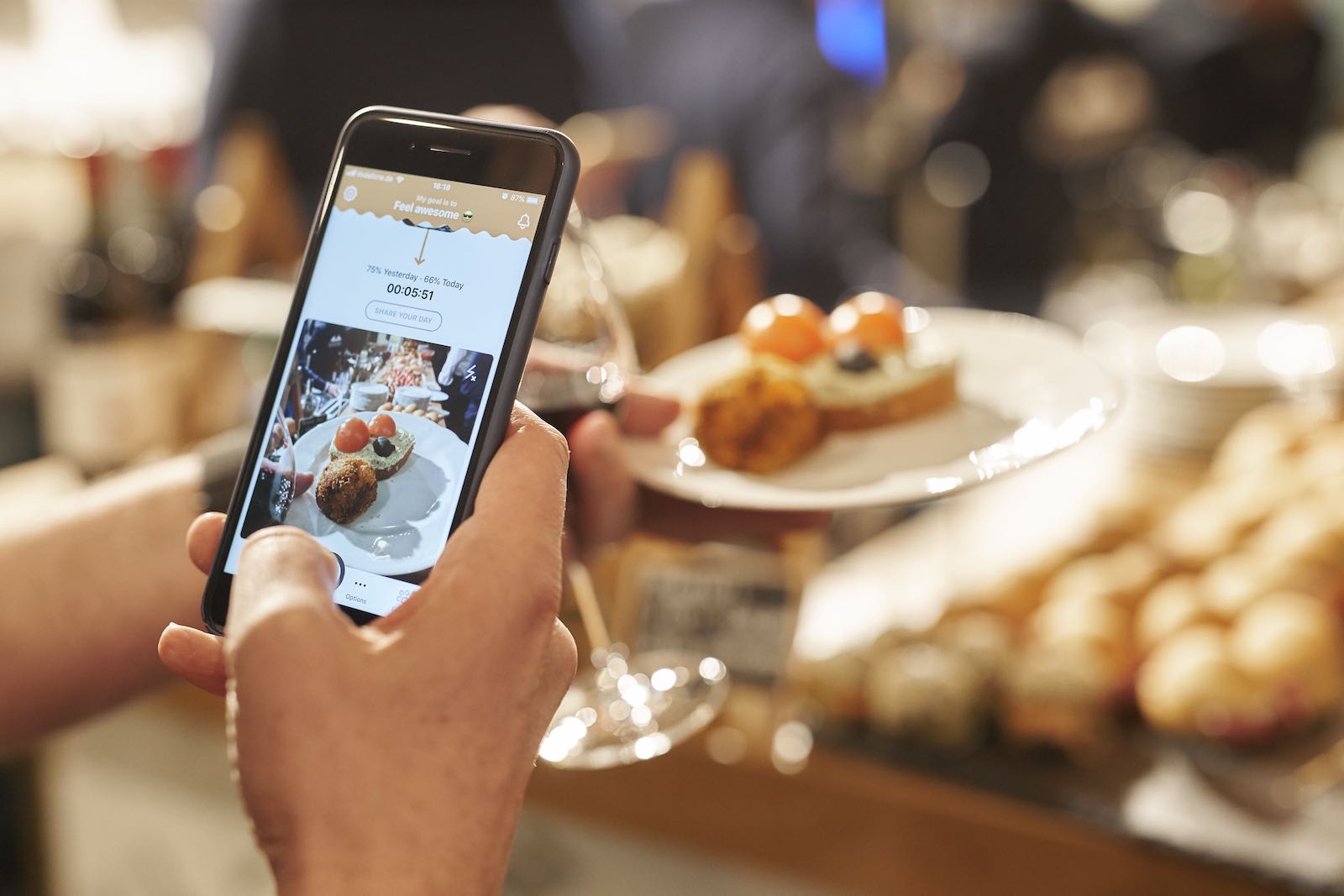
Photo food journaling transforms eating awareness through visual documentation. Instead of measuring and calculating, you simply capture what you eat and reflect on patterns over time. This approach helps you notice not just what you ate, but when, where, and how you felt during meals.
The strength of photo journaling lies in its ability to reveal the full context of your eating habits. You might notice you reach for snacks when stressed, eat larger portions when distracted, or feel most satisfied with colorful, varied meals. These insights develop naturally through visual review, without the mental load of constant calculation.
Photo journaling works particularly well for people who learn visually, prefer flexibility in their tracking, or want to build intuitive eating skills. It captures the emotional and environmental aspects of eating that numbers alone miss. The method also adapts easily to social situations, travel, or changing routines.
The limitation of photo journaling is its subjective nature. You won't get precise nutritional data, and building pattern awareness takes time. Some people need more immediate feedback or concrete targets to feel motivated in their health journey.
Calorie Counting Apps
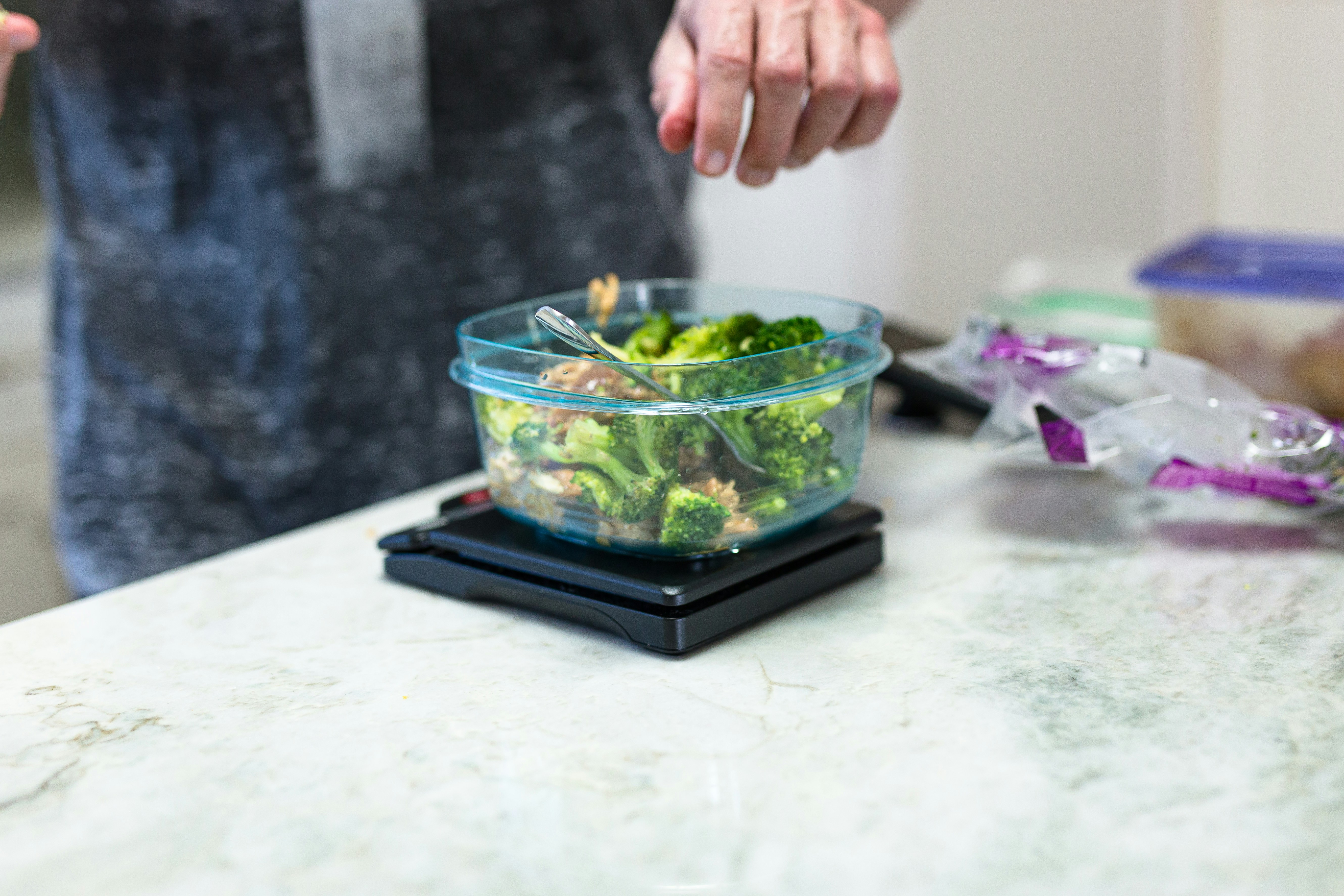
Calorie counting apps provide detailed nutritional data by logging specific foods and portions. These tools excel at precision, offering exact calorie counts, macro breakdowns, and nutrient information. Many apps include extensive food databases, barcode scanning, and integration with fitness trackers for comprehensive health monitoring.
The appeal of calorie counting lies in its concrete feedback and clear targets. You can see exactly how different foods contribute to your daily intake and make immediate adjustments. This data-driven approach works well for people who like clear goals, enjoy tracking metrics, or need to monitor specific nutrients for health reasons.
Calorie counting suits analytical personalities who find motivation in numbers and progress tracking. It can be particularly helpful for understanding portion sizes, learning about food composition, or working toward specific fitness goals that require nutritional precision.
However, calorie counting can become mentally exhausting and may shift focus from food quality to food quantity. The constant calculation can interfere with natural hunger cues and social eating experiences. Some people develop an obsessive relationship with numbers, prioritizing low-calorie choices over nutrient-dense foods or becoming anxious when they can't track precisely.
Which Is Right for You?
Your ideal tracking method depends on your learning style, lifestyle, and relationship with food. If you're drawn to understanding the why behind your eating patterns and prefer flexibility, photo journaling might resonate with you. If you find motivation in precise data and like working toward specific numerical targets, calorie counting could be your fit.
Consider your daily routine and long-term sustainability. Photo journaling requires minimal time investment but needs patience for pattern recognition. Calorie counting demands more immediate effort but provides instant feedback. Think about which approach you can realistically maintain without it becoming a source of stress or obsession.
You don't have to choose exclusively. Many people find success combining visual awareness with occasional nutritional learning. The key is finding an approach that builds sustainable awareness while supporting your overall well-being, not one that creates anxiety or disconnection from your natural eating cues.
How AteMate Helps
AteMate bridges both approaches by starting with simple photo capture and layering optional nutritional learning on top. You can build visual awareness of your eating patterns without the pressure of perfect logging, then explore calorie and macro information when curiosity strikes, not because you have to hit specific targets.
The app's reflection prompts help you notice connections between your food choices, energy levels, and emotions that pure calorie counting might miss. You might discover that your most satisfying meals have certain visual characteristics, or that specific eating patterns correlate with how you feel physically and mentally. This awareness develops naturally through guided reflection, not forced analysis.
AteMate recognizes that sustainable food awareness grows from understanding your unique patterns, not from following universal rules. Whether you're drawn to visual tracking, nutritional learning, or a combination of both, the app adapts to support your preferred style of building food consciousness while keeping your overall well-being at the center.