What the Numbers Can (and Can’t) Tell you
Macros as Information, Not Instructions: What the Numbers Can (and Can’t) Tell you
by

Dr. Erin Nitschke
Published on
•
3
minute read
Key Takeaways
Use macros to identify eating patterns, like whether you eat enough protein during the day or when you consume most of your carbs.
Macros can help you understand if you're generally under-fueling or over-fueling based on your energy levels and performance.
Numbers don't capture how your body feels, food quality, or daily variability in your needs.
Treating macros as strict rules can lead to ignoring hunger cues and avoiding foods you enjoy.
Think of macros as an information dashboard that increases awareness rather than a GPS giving exact directions.
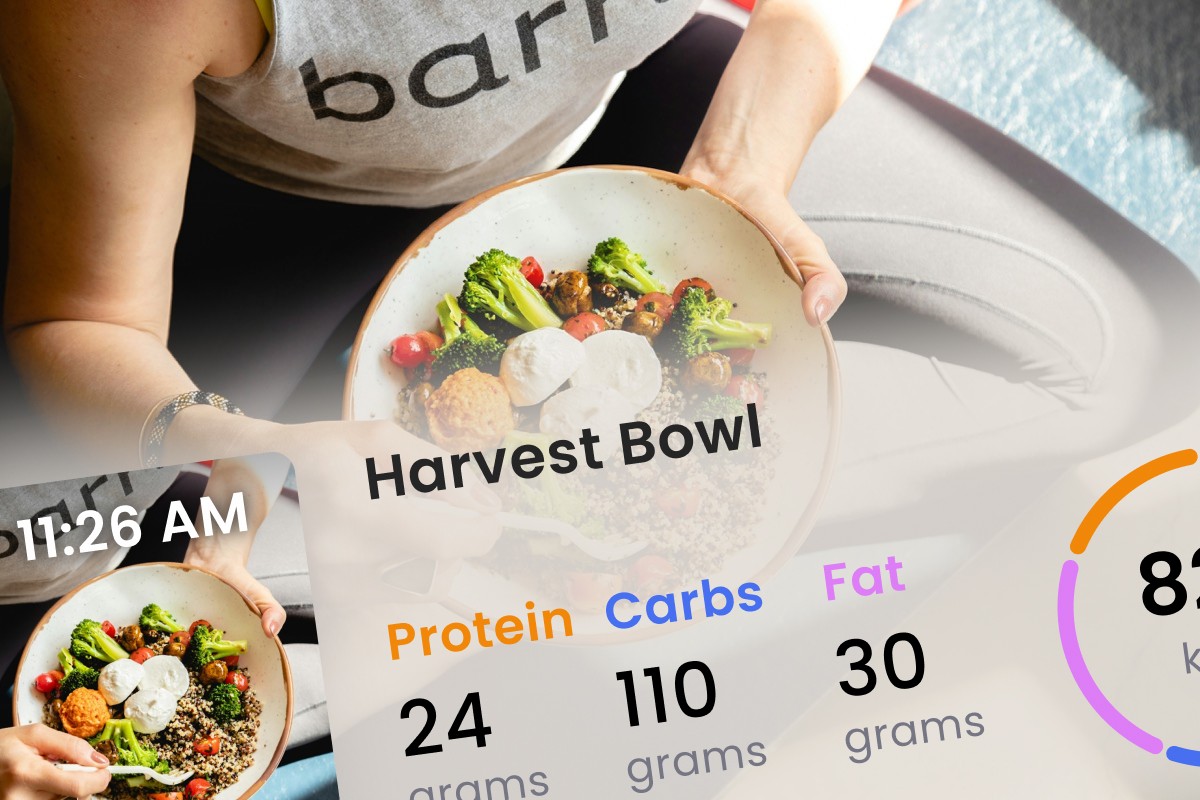
If you’ve ever tracked your food, you’ve likely heard the term macros. Short for macronutrients, it’s the catch-all term for carbohydrates, protein, and fat. In the world of food, macros are often (and mistakenly) treated as hard rules: Hit these numbers perfectly or progress won’t happen. In reality, macros are information, not instructions. They’re tools for awareness, not orders to obey at all costs.
Let’s break down what macros can tell you, what they can’t, and how to use them to support your health.
What Macros Can Tell You
Patterns in your eating: Tracking macros can help you identify trends. Maybe you realize you’re eating very little protein during the day or that most of your carbs come late at night. That information is valuable because it gives you insight into how you eat, not just what you eat.
Rough energy balance: Macros contribute to calories, and calories matter for things like weight maintenance, fat loss, or muscle gain. Seeing your macro intake can help you understand whether you’re generally under-fueling, over-fueling, or somewhere in the middle, especially if energy levels, mood, or performance feel “off.”
Support for specific goals: Protein targets can be helpful if you’re trying to build muscle, recover from workouts, or stay satisfied between meals.
Carbohydrates can support training performance and brain function.
Fats play a role in hormones and satiety.
Protein supports the building of lean tissue.
Macros can highlight whether your intake broadly supports your goals.
What Macros Can’t Tell You
How your body feels: Macros don’t know if you’re tired, stressed, bloated, energized, or satisfied. Two people can eat the exact same macro ratios and have completely different experiences. Your hunger cues, digestion, and energy matter just as much, if not more, than the numbers.
Food quality or context: Macros don’t distinguish between a home-cooked meal and something eaten in a rush. They also don’t capture fiber, micronutrients (vitamins and minerals), or the enjoyment of a meal. A meal is more than math. A meal is nourishment, culture, and experience.
Daily variability: Your body doesn’t need the exact same macro ratio every day. Training days, rest days, high-stress days, and low-appetite days all look different. Macros aren’t meant to be hit “perfectly”—they are guidelines used to provide direction.

The Problem with Treating Macros Like Rules
When macros turn into strict instructions, hard lines, or specific requirements, people often ignore their bodies to “hit the numbers.” That can lead to eating when you’re not hungry, avoiding foods you enjoy, or feeling like you’ve failed if the day doesn’t go as planned.
Living a balanced lifestyle and practicing habits that support health is far more about consistency, adaptability, and sustainability, and it has nothing to do with perfection.
How to Use Macros
Think of macros like an information dashboard, rather than a GPS telling you exactly where to turn.
Think about these questions:
What does this week of tracking tell me about my habits?
Do I feel better when I eat more protein earlier in the day?
Am I fueling enough to support my workouts and daily life?
How do I feel after X meal?
The Take Home
Treat macros for what they are: neutral information. They’re not good or bad. They’re not a test you pass or fail.
When we learn to use them flexibly, macros can increase our awareness, support learning, and guide us in making healthier choices. If we use them too rigidly, they can disconnect us from our own bodies, silence necessary inherent cues, and create anxiety.
Real and lasting health occurs when we let our bodies lead and use macros and information to guide us on that journey.
Looking for a way to track that journey, in an easy and intuitive way? Try the AteMate app.
Ready to find your Healthy?
More posts from this Author
Dr. Erin Nitschke

Balancing Indulgence and Nutrition Through Thanksgiving
Thanksgiving doesn't have to be all or nothing when it comes to food choices. You can savor holiday favorites while staying connected to your body.
Nov 7, 2025
4
minute read
Dr. Erin Nitschke

Building and Maintaining Habits
Small, consistent actions create lasting change more effectively than relying on willpower alone. You can build habits that truly stick.
Oct 18, 2022
3
minute read
Dr. Erin Nitschke

Coach Spotlight: Dr. Erin Nitschke
Twenty years of health coaching wisdom distilled into honest lessons about struggle, growth, and finding your unique path. These insights remind us that becoming our best selves is a deeply personal journey worth embracing.
Apr 25, 2023
6
minute read