How Mindful Food Journaling Can Improve Your Mental Health (Without Obsessing Over Calories)
by

Stacy Yates
Published on
•
3
minute read
Last updated on
Key Takeaways
Approach food journaling as a scientist observing patterns rather than a critic judging your choices.
Focus on the how, when, where, and why of eating rather than just tracking what you eat.
Food journaling is both a tool for understanding habits and a skill that takes time to develop properly.
Start where you are now and look for small improvements rather than trying to change everything at once.
Use curiosity about afternoon cravings or eating triggers to find practical solutions that work for your lifestyle.
If you're like me and you grew up in the thick of diet culture, then you also probably associated food journaling with a very negative context. When most people think of food journaling, they picture obsessively weighing food, looking up random ingredients, and then entering cumbersome data into an app that we then use to judge ourselves with. Yikes! It's no wonder a lot of people don't like to "journal" food (in the traditional sense). Thankfully, the food journaling that I do with my clients is not like this.
I view food journaling as both a tool and a skill. It's a tool in the sense that it can help to get a job done. (i.e. explore and understand eating habits) and it's a skill in the sense that it takes time to get good at using it and to get the right type of information out of it (i.e not using it to judge all your food choices).
Food Journaling as a Tool
One of the things I like to remind anyone who wants to improve their nutrition is that they need to begin where they are. Progress in any area comes from small improvements repeated over time. Instead of jumping from "doing nothing" to "doing everything" (classic all-or-nothing thinking) we need to have a really good understanding of our current habits and behaviours. The reason why a lot of us have such a big problem with this is because we judge ourselves ABOUT the habits and behaviours we want to change. We're trying to make positive changes yet we're making ourselves feel awful about it during the process.
This brings us to the most important thing to remember when food journaling: You need to be a "scientist" and view your job as simply observing patterns. No judgement -- just sheer interest and curiosity. "Ooooh that's so interesting that I seem to reach for sugary treats at around 3 in the afternoon. Did I not have enough protein for lunch, or I am tired and just need to take a little walk around the office to perk me up?" Viewing it this way allows us to come up with greater solutions.
You might be very surprised to learn that it's not always so much about WHAT we are eating, but HOW we are eating. When done well, journaling offers us a chance to explore other, equally important questions such as: WHEN do I find it most difficult to eat well? WHO am I with when I eat well? When I don't? WHERE (environment) am I when I find myself in these situations? WHY am I eating this now when I don't feel physical hunger?
As with any tool, it has to make sense for the job. You aren't going to use a screwdriver to hammer in a nail. Similarly, just because a tool is out there and available, doesn't mean that it will work for you. (I think this way about the traditional apps like My Fitness Pal.) Luckily, apps like AteMate exist today that are so much easier to use, more approachable, and help us get to the bottom of what most people are trying to figure out: What are my eating habits, and where are there opportunities to improve?
Food Journaling as a Skill
I've explained how food journaling is a tool, but I'd also like to remind you that it is very much a skill. It does take some time to use it well. Remember that learning to ride a bike was a skill you learned. It was awkward at first. We don't just magically stay steady and upright the very first time we get on a bike. Food journaling is the same. It takes time to get the hang of it, and to get used to being an observer rather than a critic.
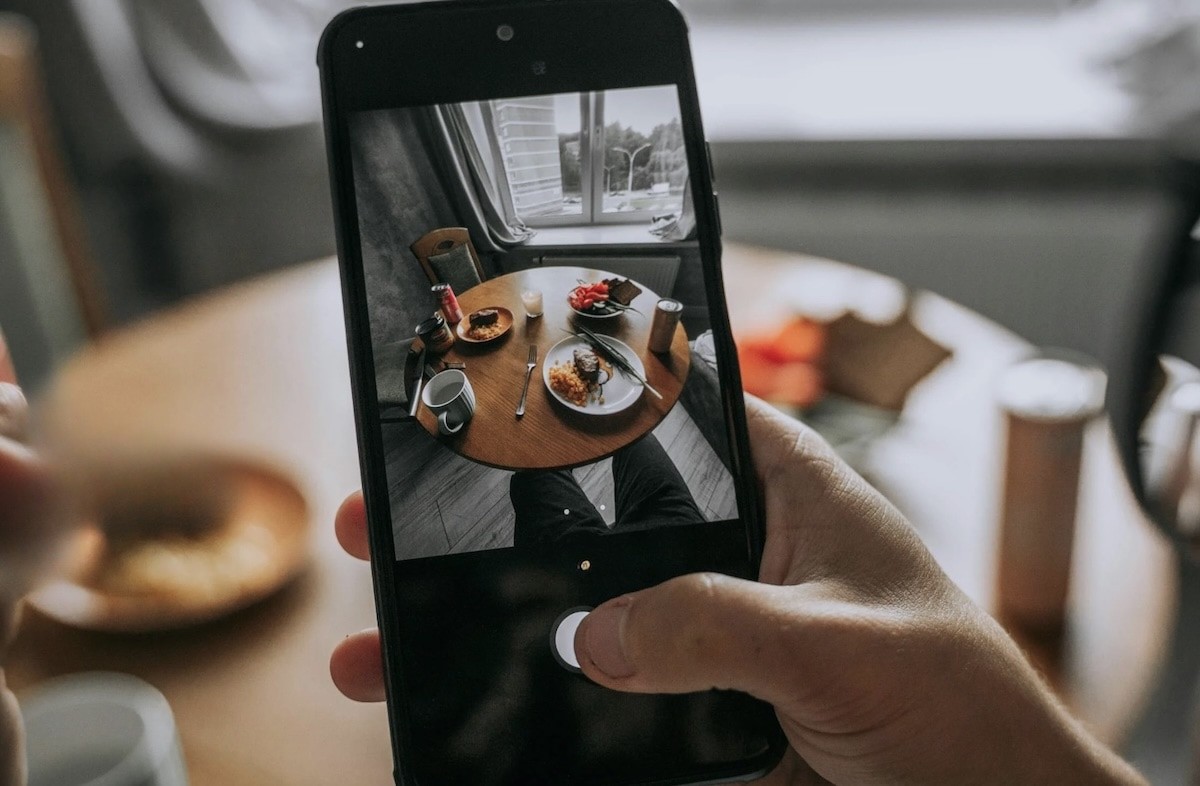
If you have tried food journaling in the past and it hasn't worked well for you, I would recommend viewing it as a skill and just know that it takes some time to get good at. (Maybe you haven't found the right app.) For me, taking photos was always something that I felt I "could" do.
Food Journaling and Mental Health
You probably already know by now that what we eat greatly affects how we feel: that the food we eat affects our mood and our mental health. But knowing that isn't always enough. Sometimes, we are still going to reach for unhealthy, processed foods in an attempt to resolve our emotional issues. The bigger problem is when this an unconscious habit -- when we simply repeat patterns without asking better questions. Good food journaling apps like AteMate have a mood journaling options which help you figure this out.
At the end of the day, food journaling shouldn't be about perfection or restriction -- it should be about awareness and connection to our behaviours and habits. When we are able to shift our mindset from judgment to curiosity, we have the space to understand ourselves without shame. This simple act of observing what, how, and why we eat can become a powerful form of self-discovery and emotional support. When we know better, we do better. And when we can see how certain situations, people and environments lead us to our choices, we are in a better position to alter them. After all, all we are ever trying to do is to feel better.
*
Stacy Yates is the CEO (Chief Eating Officer) for the Wellness Lifestyle.
The Wellness Lifestyle helps mid-life women who have already tried it all and are now looking for real, lasting change that can only come from personalization and accountability. From food journaling to weekly coaching to community, clients get the nudge they need to build on their current healthy habits and make the new ones stick so they can ditch the diet and live life well.
Together, we delve into your limiting beliefs, challenge your excuses, and create the health, wellness, movement, and lifestyle changes you're looking for and what work for midlife.
While there's no quick fix, you'll get a personalized shortcut on your journey towards real health. Ready to feel at home in your body?
Learn more @ www.thewellnesslifestyle.ca
Ready to find your Healthy?
More posts from this Author
Stacy Yates

3 Tips To Being Mindful When Traveling
Travel disrupts our usual eating patterns, creating space for both helpful and unhelpful changes. A few mindful strategies help you enjoy your trip while feeling good in your body.
Aug 4, 2020
3
minute read
Stacy Yates
4 Healthy Snacking Tips
Understanding true hunger versus habit transforms how you approach snacking. You'll feel more in tune with what your body actually needs.
Jun 23, 2020
3
minute read
Stacy Yates

4 Ways to Slow Down and Truly Enjoy the Moment
Using a simple mantra can help you find presence and joy amid holiday chaos. You'll feel more connected to what truly matters.
Dec 19, 2023
3
minute read