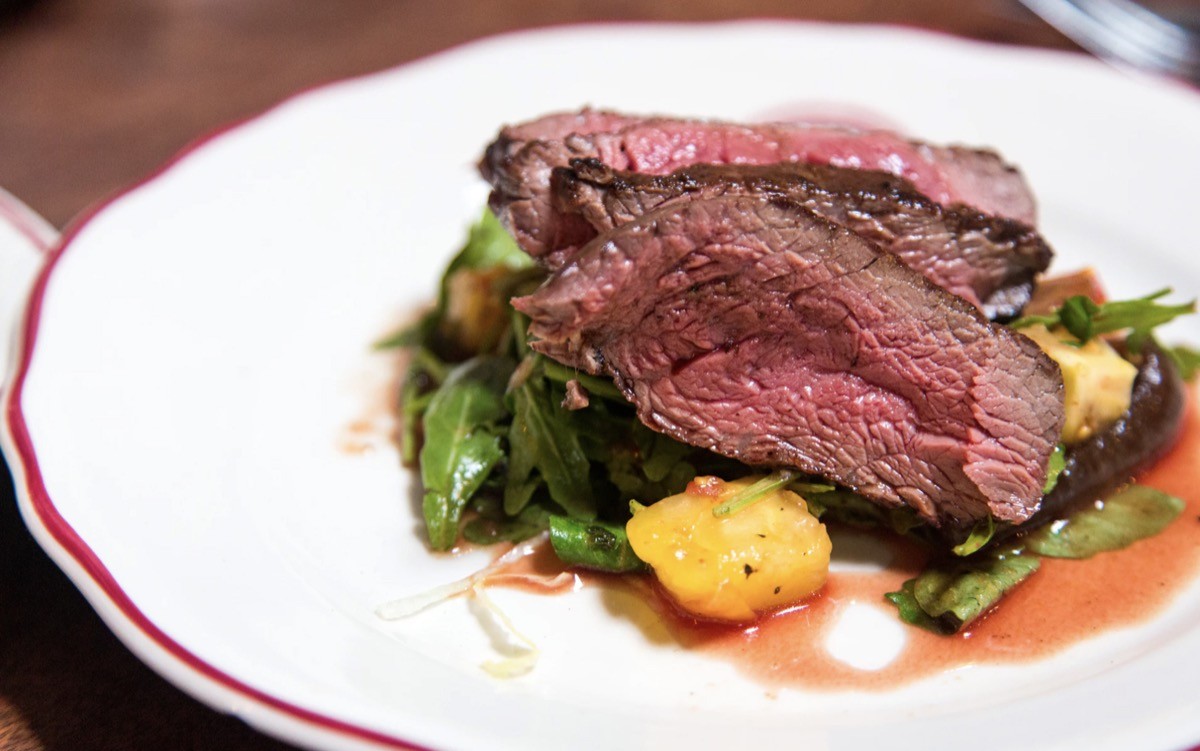
What's With Red Meat?
Can you still eat it? How should you prepare it? What kind of red meat is
by

Hunter
Published on
•
4
minute read
Key Takeaways
Red meat headlines often come from observational studies that show correlation, not causation, and don't account for confounding lifestyle factors.
The actual risk of developing cancer from red meat consumption is extremely low compared to sensationalized media claims.
Cooking method matters more than the meat itself - avoid charring and opt for gentler methods like braising or slow cooking to reduce carcinogen formation.
Grass-fed, pasture-raised red meat provides superior nutrition including healthy fats, omega-3s, and antioxidants compared to conventional options.
You can include red meat daily as part of a balanced diet with plenty of fruits, vegetables, and whole grains.
Red meat, specifically beef, has been at the center of several controversies in recent years. Several studies have linked it to increased health risk.
Today we will look at the following questions: is red meat truly something to be avoided, only to be consumed on occasion? Can it be part of your daily diet?
Frequently, we see media headlines to the tune of "red meat as bad as cigarettes when it comes to cancer." or "red meat increases chances of heart attack and heart disease." Striking claims like this can obviously cause a lot of concern, especially if red meat is a significant part of your diet.
Data driving headlines like these are typically from observational studies where food/ lifestyle surveys are conducted, allowing researchers to look at occurring correlations, not necessarily causations.
While these studies are helpful, just because there is a correlation (e.g. higher red meat consumption and higher rates of cancer), doesn't mean causation (red meat causes cancer).
An almost endless number of confounding variables can influence results.
It just so happens that people with high intakes of red meat typically eat the standard American diet (lots of processed foods and sugars, with little to no fiber, fruit, vegetables, and whole grains), and are typically smokers, overweight, and relatively sedentary.
With survey studies, there is also a risk of inaccurate food logging, (ex. a study participant may make it seem like they're eating healthier than they really are).
The "actual" risk of developing cancer from eating red meat is abysmally low.
Hey, just putting any kind of food in our mouths increases our risk of developing cancer.
Red meat, in general, is a great source of vitamins, minerals, and of course, protein. Both the preparation and the quality of the meat factor into how carcinogenic it is.
Red meat that is grilled and charred is quite carcinogenic -- not because of the meat itself, but because of the charring added to it during cooking.
Gentler cooking methods such as boiling, braising, and slow cooking greatly mitigates carcinogen formation. Opt for preparing red meat in ways like these when at all possible, to maximize nutrition from the meat while reducing the negative impact.
When choosing cuts, select grass-fed and finished, pasture-raised meat for a nutritional boost. 100% grass-fed meat is typically much cleaner than its conventional counterpart, and it offers a healthy trans-fatty acid CLA, a quality source of omega-3s, and is loaded with carotenoids and other antioxidants from consumed vegetation.
*
Overall, if you are preparing red meat properly, the typical mainstream headlines are ones you can take with a grain of salt (add it to your steak!).
Many traditional diets, which have proven incredibly healthy, included and still include regular consumption of all types of red meat, along with a variety of properly prepared grains, fruits, and vegetables.
So enjoy your red meat (daily if desired) with plenty of fruit, veggies, and whole grains, be physically active, get enough sleep, and take care of your body!
* Hunter is a Registered Dietitian Nutritionist and owner of Reformed Nutrition, LLC. He is a Certified LEAP Therapist, a specialist in food sensitivities and gut healing. He also works with competitive athletes, those looking to gain strength, lose weight, and restore health, as well as families and student groups. He loves strength training, Whole Foods, farming/gardening, healthy fats, and pasture-raised animal products.
Ready to find your Healthy?
More posts from this Author
Hunter
Bone Broth and the Importance of Collagen Protein
Bone broth provides collagen protein that supports joint health, digestion, and sleep quality. Your body feels nourished from within.
May 24, 2019
4
minute read
Hunter

Importance of Logging Your Food
Food logging through photos or journals brings mindfulness back to eating in our fast-paced world. This simple practice helps you make more thoughtful choices while reconnecting with the joy of nourishing your body.
Apr 25, 2019
3
minute read
Hunter

Nutrition & Recovery
Smart nutrition choices can support your body's natural healing process after workouts or injuries. You'll feel more confident knowing how to nourish yourself.
May 14, 2019
4
minute read