
Key Takeaways
The 20/4 method is one of the more demanding fasting approaches — 16/8 is a better starting point if you're new to fasting.
During your 20-hour fast, stick to water, black coffee, and plain herbal tea. Even small additions can interrupt the fasting state.
What you eat during your 4-hour window matters as much as the fasting itself — hunger cues and food quality both affect results.
Progress typically takes three to five weeks to feel and six to twelve weeks to see. An adaptation period in the first few weeks is normal, not a sign it isn't working.
Women, people with hormonal conditions, and those in high-stress periods should approach 20/4 with extra caution and consider starting with a shorter fasting window.
Tracking what you eat — even loosely — helps you spot patterns that make fasting more sustainable over time.
Intermittent fasting (IF) has gained significant popularity in recent years for its health benefits, including fat loss, improved insulin sensitivity, and enhanced metabolic health. Among the various types of intermittent fasting, the 20/4 fasting method -- also known as the Warrior Diet, popularized by Ori Hofmekler -- is one of the most structured and intense approaches.
In this guide, we'll explore:
What 20/4 intermittent fasting is
How to do it effectively
Its potential benefits and side effects
Common Challenges and FAQs
How the AteMate app can support your intermittent fasting plan
What is 20/4 Intermittent Fasting?
The 20/4 fasting method is a time-restricted eating approach where you fast for 20 hours and eat all of your food within a four-hour window. This type of intermittent fasting is similar to the OMAD diet (One Meal a Day) but provides a slightly shorter fasting window, allowing for a more flexible feeding window.
Unlike alternate-day fasting or the 16/8 intermittent fasting schedule, this restricted eating window mimics ancestral eating patterns and prioritizes nutrient-dense foods during the 4-hour window to maintain energy levels and support body composition.
Main Differences Between 20/4 and Other IF Methods
Method | Fasting Window | Eating Window | Difficulty | Best For |
|---|---|---|---|---|
16/8 | 16 hours | 8 hours | Beginner | Building a sustainable fasting habit |
20/4 | 20 hours | 4 hours | Intermediate | Experienced fasters seeking deeper metabolic adaptation |
OMAD | ~23 hours | ~1 hour | Advanced | Those with strong hunger management and nutrition awareness |
Alternate-Day | Every other day | Full eating days alternate with restricted days | Advanced | Aggressive fat loss under medical supervision |
All four methods share the same core principle, time-restricted eating, but differ significantly in how much flexibility they allow and how much adaptation they require. Starting with 16/8 and progressing gradually gives your body time to adjust before adding more structure. (This approach worked for me and made adapting 20/4 IF easier.)
How to Do 20/4 Intermittent Fasting
1. Choose Your 4-Hour Eating Window
Common feeding window examples:
2 PM -- 6 PM
4 PM -- 8 PM
5 PM -- 9 PM
Choose a schedule based on personal preferences and circadian rhythm to optimize insulin levels and blood sugar regulation. (I default to the 4-8pm window — it fits social meals better, though earlier windows are generally considered more aligned with natural light cycles and tend to work better for sleep.)
2. Stay Hydrated During Fasting
During the 20-hour fast, hydration is essential. Acceptable drinks include:
Black coffee - boosts fat oxidation and cognitive function
Herbal tea - supports gut microbiota and digestion
Water - prevents dehydration and oxidative stress
Plain Electrolytes - supplements with zero calories and no added sugar are also acceptable and can be helpful during longer fasting windows. Sodium, potassium, and magnesium don't break the fasted state and can reduce common side effects like headaches, fatigue, and muscle cramps — particularly in the first few weeks of adapting to 20/4. (I reach for LMNT when I'm feeling depleted — no sugar, no fillers, mixes well with water. Just check any electrolyte label for hidden sweeteners before assuming it's fasting-safe.)
3. Eat a Nutrient-Dense Meal During Your Feeding Window
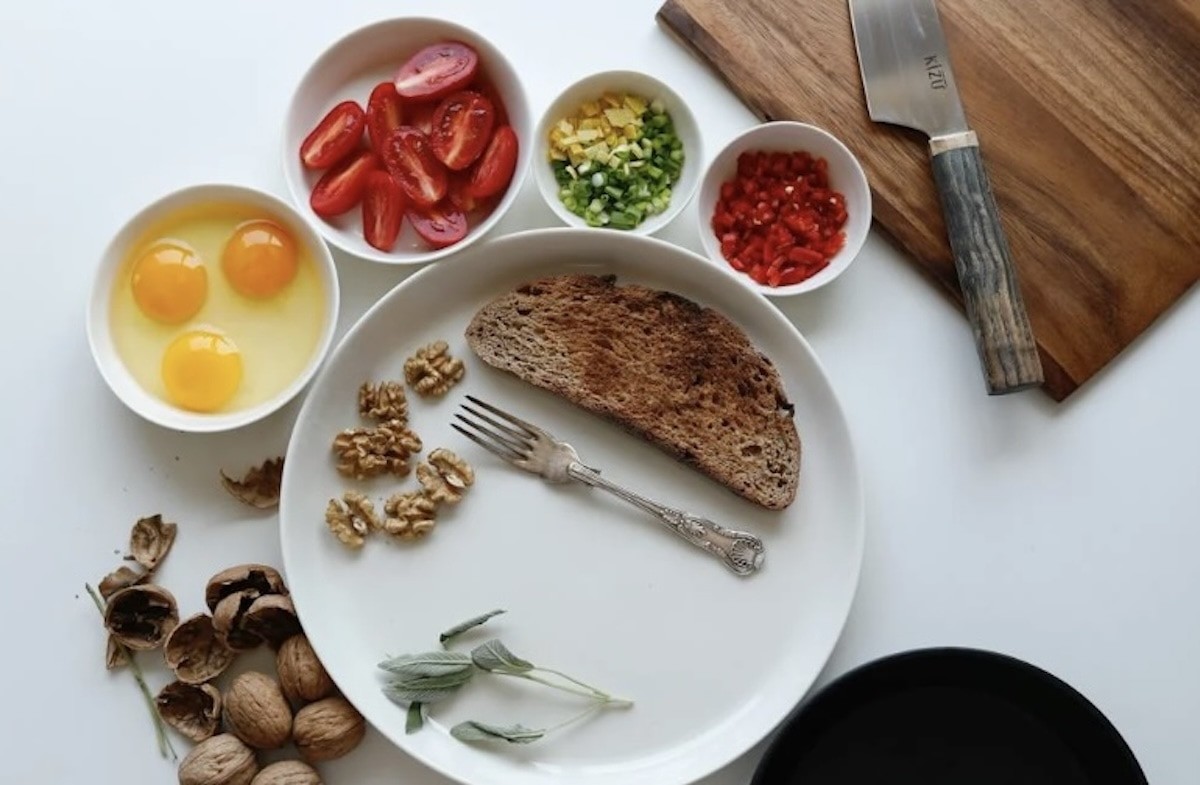
Prioritize nutritious food to maximize the health benefits of intermittent fasting:
Lean proteins (chicken, fish, tofu) to preserve muscle mass
Healthy fats (avocados, nuts, olive oil) for energy intake
Whole grains and fiber-rich foods to support gut microbiota
Vegetables & fruits for essential vitamins and lower blood pressure
4. Monitor Your Progress
Tracking your food intake and fasting hours helps you stay consistent even when routines fall apart. The AteMate app's fasting clock tracks the window between meals automatically. (I found this especially useful on vacation — without my normal routine, having a simple visual of my fasting window kept me close to my pattern without it taking over the trip.)
Benefits of 20/4 Intermittent Fasting
Research suggests that longer fasts may offer significant differences in cardiovascular health, waist circumference, and insulin resistance.
Top Benefits:
Fat Loss & Weight Management -- Extended fasting may enhance the metabolic switch, promoting body fat burning.
Improved Insulin Sensitivity -- Reduces the risk of type 2 diabetes and stabilizes blood sugar regulation.
Enhanced Cognitive Function -- Supports brain health and reduces oxidative stress.
Better Cardiovascular Health -- May lower cholesterol levels and chronic inflammation.
Autophagy & Cellular Repair -- Prolonged fasting helps remove damaged cells and regenerate tissues.
Intermittent fasting is more than just a diet -- it's a structured way to enhance metabolic health, body composition, and long-term well-being.
Is 20/4 Intermittent Fasting Right for You?
The 20/4 method is one of the more demanding fasting approaches available. It works well for people who have experience with shorter fasting protocols and want to push further. But it isn't appropriate for everyone.
You should avoid 20/4 fasting or consult a doctor before trying it if you:
Are pregnant or breastfeeding
Have a history of disordered eating or a difficult relationship with food restriction
Have type 1 diabetes or are on insulin or blood sugar medications
Are under 18 or over 65 without medical supervision
Have a history of heart conditions, kidney disease, or nutrient deficiencies
Are in a high-stress period — fasting adds physiological stress, which can compound burnout
If you're newer to fasting, 16/8 is a more sustainable starting point. It offers many of the same benefits with less physiological demand and more room for error. You can always progress to 20/4 once you've built consistency.
Listening to how your body responds is more important than sticking to any particular fasting window. If 20/4 leaves you exhausted, irritable, or preoccupied with food, that's useful information — not a failure. (For me, the turning point was prioritizing protein and healthy fats in my eating window rather than just eating whatever fit the time. Without that focus, the hunger and fatigue during the fast were much harder to manage.)
Common Questions About 20/4 Fasting
Why Am I Not Losing Weight on 20/4 Fasting?
Weight loss with 20/4 fasting isn't automatic — the fasting window creates an opportunity, but what happens inside your eating window matters just as much. Here are the most common reasons progress stalls:
You're eating more than you realize. A four-hour window can still accommodate more calories than your body needs, especially with calorie-dense foods like nuts, oils, and whole grains. You don't need to count calories obsessively, but paying attention to hunger cues and how satisfied you feel — rather than how much time you have left in your window — helps you stay aligned with your body's actual needs.
Sleep and stress are working against you. Poor sleep raises cortisol and ghrelin — the hormone that drives hunger — which can make your eating window feel out of control even when you're trying to stay mindful. Chronic stress has a similar effect. If you're consistently tired or overwhelmed, address those first before tightening your fasting approach.
Your metabolism may need time to adapt. The first two to four weeks of 20/4 fasting involve a metabolic adjustment period. Energy may feel inconsistent, hunger patterns may be irregular, and the scale may not move. This is normal. Most people begin to see more consistent results after the adaptation phase.
Underlying factors may be slowing progress. Insulin resistance, thyroid issues, and hormonal imbalances can all affect how your body responds to fasting. If you've been consistent for six or more weeks without any change, it's worth discussing with a healthcare provider.
Tracking what you eat — even loosely — during your eating window can reveal patterns you wouldn't otherwise notice. The AteMate app's visual food journal makes this easy without turning every meal into a math problem.
Can You Exercise on 20/4 Fasting?
Yes! Consider:
Strength training after your first meal for muscle preservation.
Cardio in a fasted state for enhanced fat loss.
How Fast Can I Lose 30 Pounds with Intermittent Fasting?
Safe weight loss is 1–2 pounds per week.
It may take 15–30 weeks, depending on calorie intake and body weight.
Combining IF with better habits around food and in your daily life can accelerate results.
What Can I Drink During the 20-Hour Fast?
Water is your best option and should be your primary drink throughout the fasting window. Black coffee is widely considered acceptable — it contains no calories and some research suggests it may support fat oxidation during fasting. Herbal teas like peppermint, chamomile, or ginger are also fine. The key rule is no calories, no sweeteners, and no milk or cream. Even small additions can trigger an insulin response and interrupt the fasting state. Sparkling water is fine as long as it's plain with no added flavoring or sweeteners.
How Long Does It Take to See Results with 20/4 Fasting?
Most people go through a two to four week adaptation period where energy feels inconsistent and hunger patterns are unpredictable. This is normal — your body is shifting how it uses fuel. Meaningful changes in energy and appetite regulation typically become noticeable around weeks three to five. Physical changes like weight loss or improved body composition generally take six to twelve weeks of consistency to become visible. The timeline varies significantly based on what you eat during your window, your sleep quality, stress levels, and your starting point. Progress that builds slowly tends to last longer than quick early results.
Can Women Do 20/4 Intermittent Fasting?
Yes, but with more caution than the general guidance suggests. Research indicates that women's hormonal systems can be more sensitive to extended fasting than men's. Some women experience disruptions to their menstrual cycle, sleep, or energy levels when fasting windows exceed 16 hours regularly. This doesn't mean 20/4 is off-limits, but it's worth starting with 16/8 first and monitoring how your body responds before extending the fasting window. Women who are pregnant, breastfeeding, or trying to conceive should avoid extended fasting protocols entirely. If you have a history of hormonal imbalances or irregular cycles, talk to a healthcare provider before starting.
What is the Best Intermittent Fasting Schedule for Fat Loss?
The honest answer is that the best schedule is the one you can sustain consistently. A 16/8 approach followed six days a week will outperform 20/4 followed inconsistently. That said, if you have experience with 16/8 and want to push further, 20/4 can deepen the metabolic benefits — particularly around fat oxidation and insulin sensitivity.
For most people starting out, 16/8 is the right entry point. It's flexible enough to survive weekends, social meals, and stressful weeks. Once it feels effortless — not just manageable — extending to 20/4 becomes a natural next step rather than a forced one.
The worst approach is jumping straight to OMAD or alternate-day fasting without building the habit first. The adjustment is harder, hunger is more disruptive, and the dropout rate is much higher.
How the AteMate App Supports Your 20/4 Fasting Plan
The AteMate app helps users stay on track with their intermittent fasting regimen by offering:
Fasting Clock -- Easily track hours of fasting between meals.
Visual Food Journal -- Track what you eat and focus on incorporating nutrient-dense meals.
Mindful Eating Approach -- Develop sustainable eating patterns.
Coach Dashboard -- Are you working with a health professional? Health professionals using the AteMate Coach Dashboard can help support you on your fasting journey.
Tracking what you eat and when — even loosely — helps you spot patterns that make fasting more sustainable over time.
Final Thoughts
The 20/4 intermittent fasting method can be a useful tool for weight management, metabolic health, and body composition — but it works best when it fits your life, not the other way around. If the 20-hour window feels sustainable and your eating window leaves you feeling satisfied and nourished, it may be worth exploring further. If it leaves you exhausted or preoccupied with food, a less restrictive approach will likely serve you better long-term.
Whatever fasting window you choose, awareness of what you eat — not just when — makes the difference. The AteMate app includes a fasting clock, visual food journal, and pattern insights to help you understand how your choices are affecting your energy, mood, and progress over time.