
Key Takeaways
Fill half your plate with colorful, non-starchy vegetables and fresh fruits for essential nutrients and fiber.
Include lean proteins like chicken, fish, beans, or plant-based options to support muscle mass and provide amino acids.
Choose complex carbohydrates like whole grains and sweet potatoes for sustained energy throughout the day.
Add healthy fats from olive oil, nuts, and avocado to support heart health and vitamin absorption.
Focus on finding meal patterns that work for your lifestyle rather than conforming to traditional meal schedules.
Creating a balanced plate is more than just filling your plate with random foods. It's about choosing the right mix of nutrients that fuel your body, maintain your energy levels, and contribute to overall well-being.
By focusing on mindful eating and incorporating a variety of foods, you can build a balanced plate that supports long-term health.
We'll walk you through the essentials of balanced meals, provide tips for different times of the day, and explain how the AteMate app can support your journey toward a healthier lifestyle.
The Foundation of a Balanced Plate
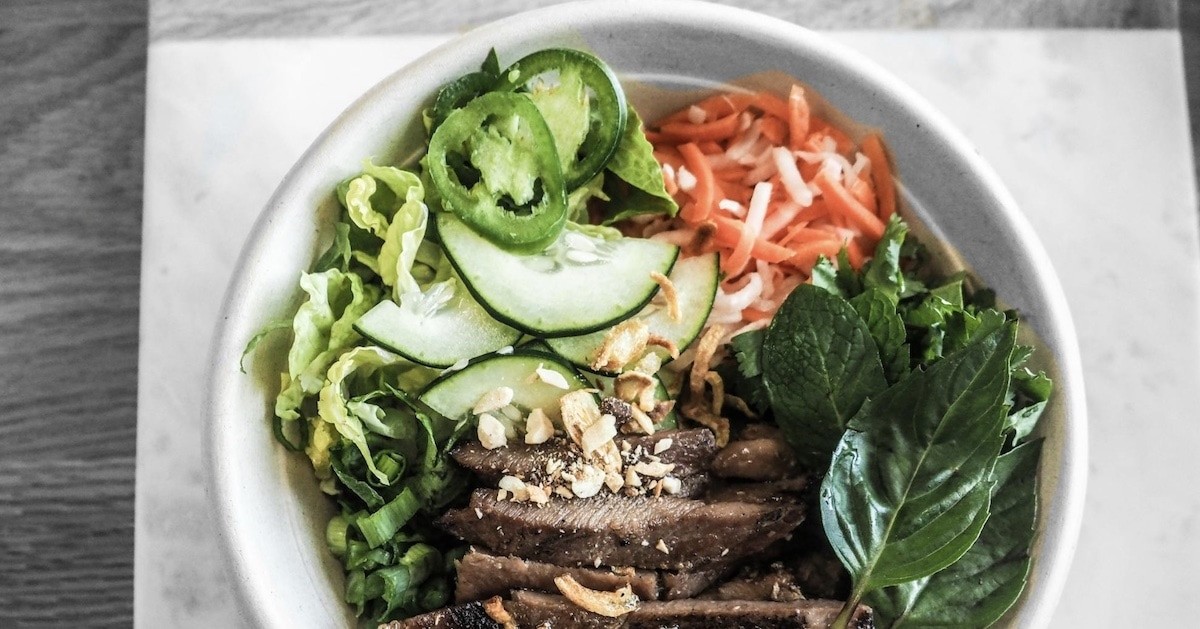
A balanced plate is a visual representation of a healthy diet, filled with a variety of foods from different food groups. Imagine your plate divided into sections:
Proteins: Include lean proteins like chicken, fish, beans, or plant-based proteins. These are the building blocks of muscle mass and provide essential amino acids.
Carbohydrates: Choose complex carbohydrates like whole grains, brown rice, or sweet potatoes. These carbs offer sustained energy throughout the day.
Healthy Fats: Incorporate healthy fats like olive oil, nuts, and avocado, which support heart health and help absorb fat-soluble vitamins.
Fruits and Vegetables: Fill half your plate with a variety of colorful, non-starchy vegetables and fresh fruits. These foods provide essential nutrients, dietary fiber, and antioxidants.
A balanced plate is a mix of proteins, carbs, healthy fats, and fiber from fruits and vegetables.
Building Balanced Meals Throughout the Day
Before diving into the examples below, it's important to remember that these are just suggestions. The most crucial part of building balanced meals is finding what works best for you and your body.
You might be someone who practices intermittent fasting and has your first meal at 11 AM, so don't feel pressured to conform to traditional meal labels like breakfast, lunch, or dinner.
Your health journey is unique, and it's all about discovering the dietary patterns and eating habits that align with your lifestyle and support your long-term health. Focus on creating meals that include a variety of foods, balance your macronutrient intake, and provide the energy levels you need throughout the day.
Breakfast
Start your day with a combination of lean proteins, complex carbs, and healthy fats. For example, you might choose:
A bowl of oatmeal topped with fresh fruits and a sprinkle of nuts.
Whole-grain toast with avocado and a poached egg.
A smoothie made with leafy greens, Greek yogurt, and a handful of berries.
Lunch
Lunch should be a satisfying mix of protein, fiber, and healthy fats to keep you full and energized:
A salad with leafy greens, grilled chicken, a variety of colorful vegetables, and a drizzle of olive oil.
A whole-grain wrap filled with lean meats, avocado, and a side of fresh fruit.
Brown rice paired with a lean protein, and stir-fried non-starchy vegetables.
Dinner
Dinner is a great time to enjoy a mix of protein, complex carbs, and vegetables:
Grilled salmon with a side of quinoa and roasted brussels sprouts.
A hearty vegetable stew with beans, served with whole-grain bread.
Lean meat like turkey or chicken breast, paired with sweet potatoes and steamed green beans.
Snacks
Keep snacks balanced and nutrient-dense:
A handful of nuts or seeds with a piece of fresh fruit.
Greek yogurt with a drizzle of honey and some whole-grain granola.
Veggie sticks with hummus or a small portion of peanut butter.
Balanced meals throughout the day help maintain energy levels and support good health.
Overall, it's not about chasing the latest fad diet, but about giving your body the good nutrition it deserves and ensuring that the food on your plate supports the development of healthy eating habits that will benefit you as you age.
How AteMate Supports a Balanced Plate
The AteMate app is designed to support your journey toward healthier eating habits. By allowing you to take photos of your meals and reflect on whether they were "on path" or "off path" based on your health and wellness goals, and help you become more mindful and aware of your eating patterns. AteMate's mindful food journaling approach helps you make more informed choices over time.
Introducing AteMate AI
AteMate's new AI powered feature takes meal tracking to the next level. By analyzing your meal photos, AteMate provides insights into the macronutrient breakdown of your meals, helping you understand the balance of proteins, carbs, and fats on your plate. This tool encourages you to incorporate a variety of colorful fruits and vegetables, promoting a "eat the rainbow" mindset that's rich in essential nutrients and antioxidants.
Furthermore, AteMate's new Weekly AI Review features analyzes your entire week, looking for patterns, wins, and opportunities. It provides useful insights and suggestions on how to continue progressing on your journey.
AteMate helps you understand the macronutrient breakdown of your meals, making it easier to create balanced plates.
Habits to Form Now for a Longer Life
The Keys to Long-Term Health
Achieving long-term health involves forming habits that are sustainable and beneficial for your body. Here are some key habits around food to develop:
Variety: Incorporate a wide variety of foods to ensure you're getting all the essential nutrients your body needs.
Mindful Eating: Pay attention to your hunger cues and enjoy your meals without distraction.
Awareness of Portions: Be mindful of meal sizes to build awareness around overeating which can help contribute to maintaining a healthy weight.
Regular Physical Activity: Pair a balanced diet with regular exercise to support overall health and well-being.
Consistent Meal Timing: Aim to eat meals at regular intervals to maintain stable energy levels throughout the day.
Forming sustainable habits like mindful eating and regular physical activity are keys to long-term health.
Why Color Variety Matters
Eating a variety of colorful fruits and vegetables is not just visually appealing; it's essential for good health. Each color in your food provides different nutrients and health benefits:
Red Foods: Tomatoes and red peppers are rich in antioxidants like lycopene, which support heart health and may reduce the risk of prostate cancer.
Orange Foods: Sweet potatoes and carrots are high in beta carotene, which is important for immune function and eye health.
Yellow Foods: Citrus fruits and yellow peppers provide vitamin C, which helps boost the immune system and promotes healthy skin.
Green Foods: Dark leafy greens like spinach and kale are packed with vitamins and minerals that support bone health and blood pressure regulation.
Purple Foods: Purple cabbage and red grapes contain powerful antioxidants and promote blood circulation and cellular health.
Eating a variety of colorful foods ensures you're getting a wide range of nutrients for overall health.
Why Else Does This Matter
When you focus on developing healthy food habits, the positive effects extend far beyond just what's on your plate. These habits have a ripple effect, influencing various aspects of your overall well-being:
Sleep: A well-balanced diet rich in essential nutrients and mindful eating practices can improve sleep quality by stabilizing blood sugar levels and supporting the production of sleep-regulating hormones.
Movement: Consuming a variety of foods, including complex carbohydrates and lean proteins, provides your body with sustained energy throughout the day, making it easier to stay active, have a higher activity level, and engage in regular physical activity.
Mood and Energy Levels: By eating at regular intervals and avoiding large amounts of simple carbohydrates, you can maintain stable blood sugar levels, reducing energy crashes and mood swings, leading to a more consistent and positive outlook throughout the day.
Blood Pressure and Cholesterol: Healthy eating habits, like incorporating more whole grains, fresh fruits, vegetables, and healthy fats like olive oil and fatty fish, help manage cholesterol levels and blood pressure, reducing the risk of heart disease.
Blood Sugar Control: Focusing on portion control and including a variety of nutrient-dense foods in your meals helps maintain balanced blood sugar levels, supporting overall metabolic health and reducing the risk of developing diabetes.
And these are all things that you can add to your AteMate Food Journal to have a well-rounded picture of your overall health!
By honing in on these food-related habits, you'll likely notice improvements in these other areas of your health, further reinforcing the importance of a balanced diet in achieving long-term wellness.
Conclusion
Building a balanced plate is essential for long-term health. By incorporating a variety of proteins, carbs, healthy fats, and colorful fruits and vegetables, you can create meals that are not only satisfying but also nutrient-dense. AteMate can help you stay on path by offering insights and guiding you toward more balanced choices. Remember, it's not about strict rules or perfect ratios -- it's about finding what works for you and enjoying a wide variety of foods that support your health.
A balanced plate today leads to better health tomorrow.
Start your journey toward a healthier, more balanced life with AteMate today.