
When work deadlines pile up, kids get sick, or life throws unexpected curveballs, your eating patterns often feel like the first thing to fall apart. You grab whatever's quick, eat standing over the sink, or find yourself stress-snacking without even realizing it.
These insights help you create a more peaceful relationship with food during chaotic times, using simple strategies that work even when your schedule feels completely out of control.
Stress Response and Food
Your body's stress response changes hunger signals. When cortisol spikes during intense periods, you might feel ravenous one moment and completely uninterested in food the next. Recognizing this as normal helps you respond with curiosity rather than frustration.
Breathing before eating calms your nervous system. Try box breathing (inhale for 4, hold for 4, exhale for 4, hold for 4) before meals to shift from fight-or-flight mode into a state where you can actually taste and enjoy your food.
Warm water throughout the day creates natural portion awareness. Sipping warm water helps you stay hydrated and naturally leads to smaller bites and slower eating, even when you're rushing between meetings or juggling family chaos.
Flexible Strategies
Quick eating happens, and that's completely normal. Instead of judging yourself for wolfing down lunch at your desk, simply notice it happened and aim to eat a bit slower at your next meal or snack.
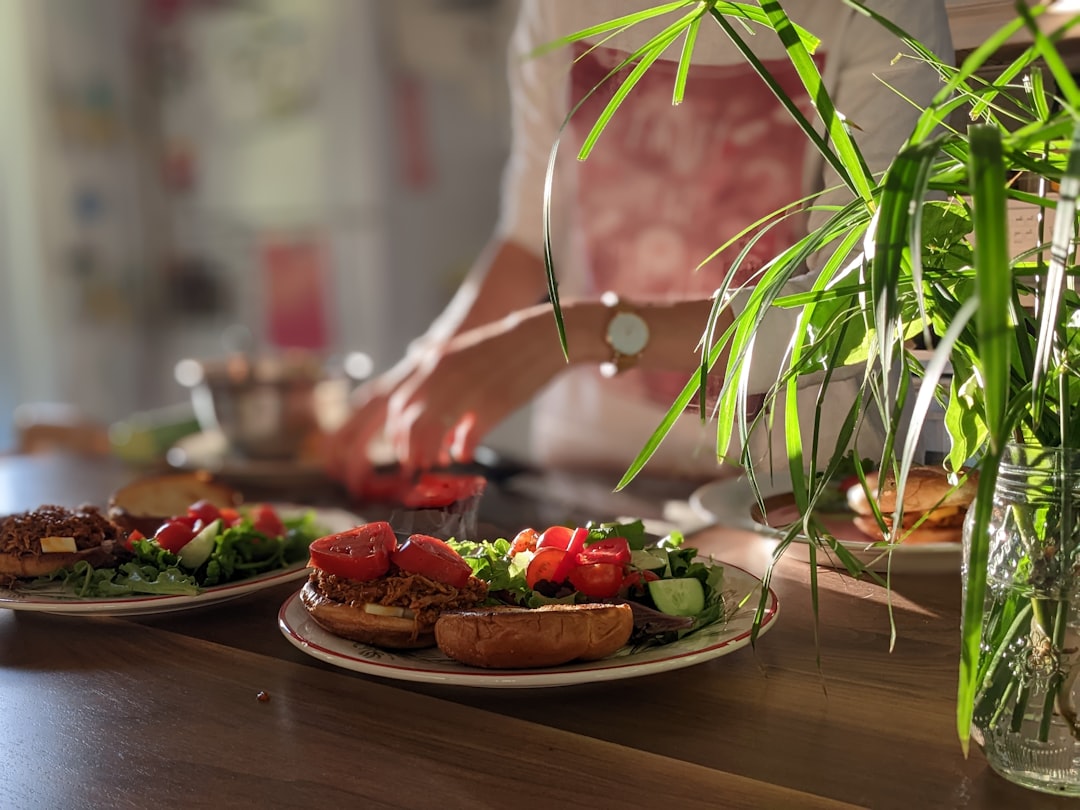
A clean eating space works even in chaos. Clear just one small area of your kitchen counter or desk before eating. This tiny act of creating order helps your mind relax enough to register what you're actually consuming.
Cooking becomes therapeutic during uncertain times. Baking bread or chopping vegetables gives you a sense of control and accomplishment when everything else feels unpredictable, while also preparing nourishing food for your family.
Chaos-Proof Planning
Plan for predictable eating situations even when time feels scarce. Spend 10 minutes Sunday evening identifying when you'll likely eat meals this week, then prep just one element (like washing fruit or cooking grains) to make those moments smoother.
Your environment shapes choices more than willpower. Put healthy snacks at eye level in your fridge and pantry, and move tempting items to less convenient spots. When you're stressed and grabbing food quickly, you'll reach for whatever's easiest to see.
Track patterns to identify your unique stress eating triggers. Notice whether you tend to stress-eat after scrolling news, during certain work calls, or when specific family dynamics arise. Awareness of your patterns helps you prepare alternative responses.