Movement
by

AteMate
Published on
•
3
minute read
Last updated on
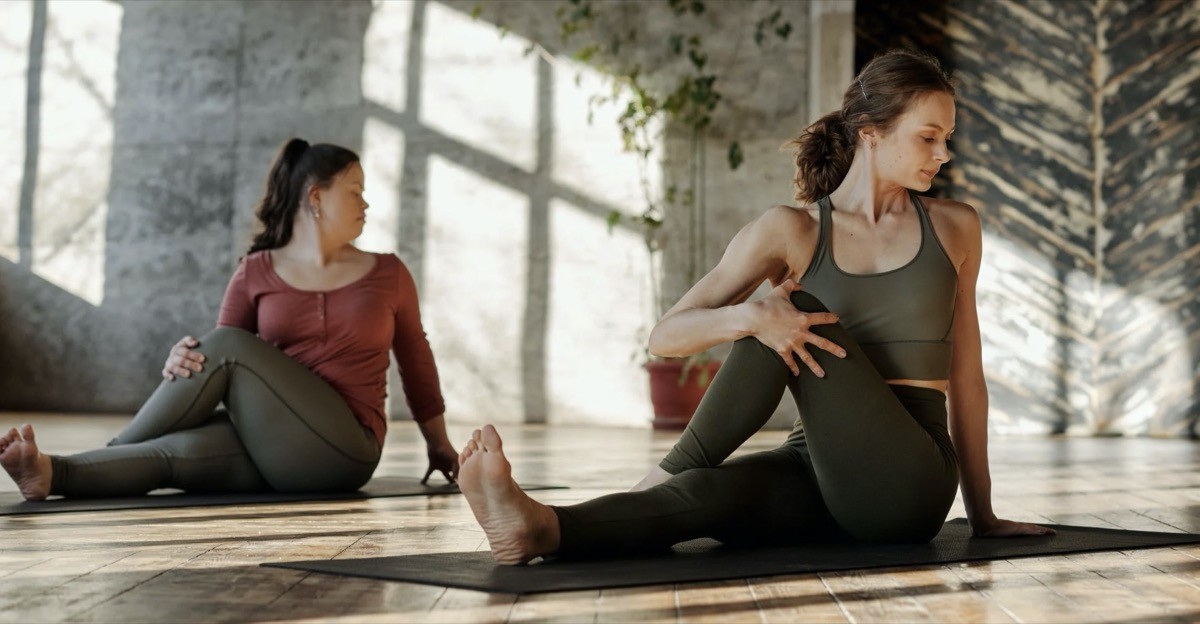
Movement is any way your body gets to move. It does not have to look like a workout, and it does not need to be intense to be beneficial. The best movement is one you will do consistently and one that you enjoy.
Movement supports energy, mood, strength, and long-term health. Most importantly, it supports how you feel day to day.
The goal is not to move perfectly. The goal is to move in ways that fit your life.
What counts as movement
Movement includes more than structured exercise.
It can look like:
Walking
Stretching
Strength training
Playing with kids
Housework or yard work
Taking the stairs
Gentle mobility or recovery work
Walking the family dog
If your body is moving, it counts.
Why movement matters beyond fitness
Movement affects more than physical health.
It can:
Improve mood and reduce stress
Support energy and focus
Help regulate appetite
Improve sleep quality
Build confidence and resilience
These benefits often show up even with small amounts of consistent movement.
How movement fits into real life
Life is not always predictable.
Some days allow for longer or more structured movement. Other days do not. Both are normal.
Movement that fits real life is:
Flexible
Adjustable
Easy to scale up or down
Easy to restart after breaks
Consistency matters more than intensity.
Common misconceptions about movement
"If it's not a workout, it doesn't count." It does. Daily movement adds up. "You need a strict routine to see benefits." Routines help some people, but flexibility helps habits last. "Missing workouts means you failed." Missed days are part of the process. Progress depends on returning, not streaks.
Finding movement you can repeat
Movement is more sustainable when it:
Feels manageable
Fits your schedule
Matches your energy level
Aligns with what you enjoy
Enjoyment is not a bonus. It is a key factor in consistency.
Adjusting movement during low-energy periods
Stress, poor sleep, illness, or busy schedules can all affect energy.
During those times, supportive movement might mean:
Shorter sessions
Gentler options
Rest when needed
Letting go of intensity expectations
Listening to your body helps movement stay supportive instead of draining.
Movement as part of a bigger picture
Movement interacts with:
Food and energy intake
Sleep and recovery
Stress and mood
Overall consistency
Seeing movement in context helps you adjust without overthinking or guilt.
A supportive next step
Tracking movement alongside food, sleep, mood, and daily context can help you understand how it affects your energy and routines over time.
If you want a calm, flexible way to notice these patterns, AteMate is built for that.
It is designed to support movement that fits real life, not rigid expectations.
Ready to find your Healthy?
Medical Review by Erin Nitschke, EdD
Reviewed by Erin Nitschke, NFPT-CPT, NSCA-CPT, ACE Health Coach
Dr. Erin Nitschke is a health and human performance college professor and member of the ACE Scientific Advisory Panel. This article was reviewed for medical accuracy and adherence to current nutritional guidelines.