
Key Takeaways
Keep a journal in your kitchen to record every bite during overeating episodes along with your feelings and satisfaction levels to break mindless eating patterns.
Eat when you're hungry but not ravenous, and stop when satisfied rather than full to prevent the restrict-binge cycle.
Stay hydrated with 6-8 glasses of water daily to help curb hunger pangs that can trigger overeating.
Avoid keeping ultra-processed foods in your house since they're specifically designed to trigger cravings and overconsumption.
Stop severely restricting calories as this often leads to binge episodes and can put your body into starvation mode.
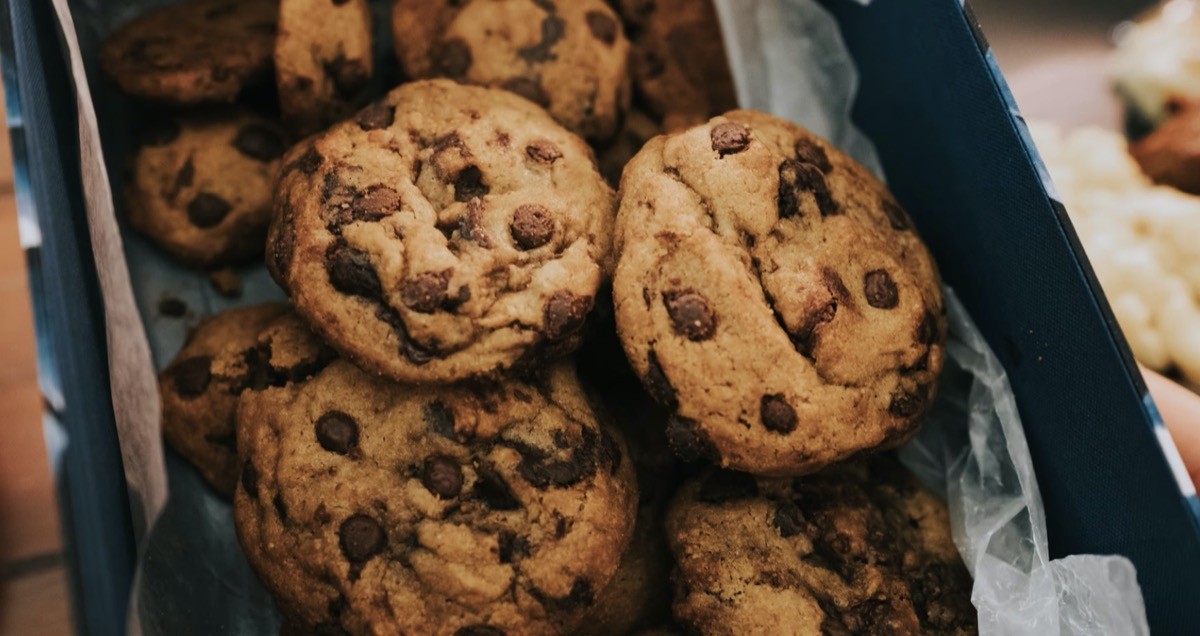
Have you ever found yourself eating a whole sleeve of cookies even though you're not hungry? Don't worry -- we've all been there! Overeating is a common issue triggered by all sorts of factors, including boredom, stress, sadness, or even habit. And it can ebb and flow based upon what is going on in your life. You might experience a long period of time where it's not even an issue, and then it rears its head again.
Here's the good news: even though it may feel like you're out of control when it comes to overeating, you can be in control and you can also work on training your brain and body to reduce both the occurrences and amounts.
Here are some of my best strategies for dealing with the urge to overeat. Keep in mind that some techniques may work better for some people than others, so try as many as you like, and remember to not give up!
1. Be Curious & Cultivate Awareness
More than anything, the episodes of overeating that are MOST problematic are the ones that are completely "mindless". These are the ones where we experience an almost "out of body" experience and are not at all present. I liken this to when we're driving and are completely lost in thought or worry only to arrive at our destination having wondered how we even got there!?
I would recommend finding a journal that you could use to handle overeating episodes as they are happening. Leave it in your kitchen, maybe even IN your pantry, or where you are most likely to engage in a binge or an overeat. Your job is to "allow" yourself to eat what you want without judgment, as long as you write it ALL down -- yes, recording every bite. Along with it you also need to write down your satisfaction levels before and after, and your feelings/thoughts alongside of it.
Not only can this offer a significant break in the pattern of what you are doing AS you are doing it, but over time, when you do notice patterns (i.e. my overeating is mostly caused by fatigue) you are in a better position to do something about it.
It's also important to be curiously aware of WHAT it is that you are reaching for when you get urges to overeat. Any type of binge (big or small) is most likely going to be on ultra-processed foods and not something like chicken and broccoli! This is because processed foods are purposely formulated to get you hooked. Be very selective about the ones you keep in the house!
2. Don't allow yourself to get too hungry!
Another really common reason for overeating is that we have waited too long to eat since our last meal. I like using the hunger scale with my clients and recommend eating between a 4 and a 6. This means eating when you are hungry (not waiting until you are ravenous and/or shaky) and stopping at a 6, which I refer to as being "satisfied" (and not full).
Making sure you get adequate protein at each meal is also very important to keep you satiated for longer. Have some readily available well-balanced snacks so that you are never getting to the point of feeling like you're going to eat the entire contents of your pantry.
3. Drink plenty of water
Did you know that staying hydrated throughout the day is one of the best ways to curb hunger pangs and prevent overeating? I try to drink between six and eight glasses of water per day (1.5 liters -- 2 liters).
If the prospect of glugging your way through that much water sounds terrible, work your way up to it. Treat yourself to an amazing water bottle if that helps! You could also spice things up with a sprig of mint or a zesty lemon slice. Flavored water is one of life's greatest pleasures and is not just reserved for "spa" days!
4. Stop restricting!
Are you severely restricting your calorie intake in a bid to lose weight? Stop punishing yourself! Overly restrictive diets can trigger binge-eating episodes and even cause the body to go into 'starvation mode'. Moderation and sensible eating patterns are key to long-term health. Unfortunately, "moderation" isn't as enticing, but it's truly the only thing that works!
5. Get plenty of sleep
This is such an underrated tool in nutrition. Getting enough sleep is like a secret sauce to being able to make good food choices and lose weight. If you're not getting at least 7–8 hours of sleep each night, making healthy choices and losing weight is going to be an uphill battle for you.
Sleep deprivation affects our hunger levels. Failing to achieve at least seven hours of shuteye per night can trigger the body to release a hunger hormone called ghrelin. Too much ghrelin could increase your risk of overeating. If you struggle to wind down at night, try to maintain a regular sleep routine and seek professional help if necessary. It's worth it!
How whole foods could transform your eating habits
So, now that you have a few simple behavioral tricks under your belt, what sorts of foods should you be eating? Obviously, you should keep processed foods to a minimum. In their place, you should be consuming plenty of delicious whole foods such as fruits, veg, lean meat, whole grains, and pulses.
Here's why:
Whole foods contain plenty of fiber, which will ensure you feel satisfied throughout the day and keep your digestive system functioning well.
Whole foods don't contain addictive chemicals!
Protein-rich foods such as eggs and fish can lower your levels of the hunger hormone ghrelin, therefore reducing your desire to overeat.
Whole foods will help to stabilize your blood sugar levels, meaning you won't be tempted to reach for sugary food at regular intervals.
Healthy fats in whole foods such as nuts and avocados can help ensure that you feel more satisfied between meals.
If you're new to the world of healthy eating, don't stress. Adopting a healthier lifestyle and a better relationship with food takes time. There are also plenty of whole-food recipes online. One of my favorite websites is https://therealfooddietitians.com/
To get you started, here's a sample evening meal plan:
Monday: Wholewheat spaghetti and meatballs in tomato sauce Tuesday: Lentil dahl with fresh veg Wednesday: Baked chicken with root vegetables Thursday: Stuffed bell peppers with a side salad Friday: Cheese and cauliflower bake Saturday: Turkey burgers and salad in wholewheat buns Sunday: Quinoa salad with a choice of fish or meat
I hope this helps. Please keep in mind that when you do find yourself in a situation of an over eat, it's not at all helpful to beat yourself up about it! Get back on track with the very next meal you have. Make sure that it's well balanced with whole foods, and move on!
Please feel free to reach out if you'd like more one-on-one support!
* You do not have to "do healthy" on your own. In fact, research tells us that you are much more likely to succeed if you have accountability layered in. Let's face it -- healthy eating and healthy lifestyles can be boring and require a lot of patience. Having the support of an accountability coach and a community of likeminded individuals on your team can make all the difference. Share paths with a practicing holistic nutritionist, receive one-on-one coaching regarding your meals, and be connected on the app with my other clients and Ambassadors. You will have fun, stay motivated, and feel inspired! Find out more by visiting my website www.stacyyates.com._
Ready to find your Healthy?
More posts from this Author

Stacy Yates

3 Tips To Being Mindful When Traveling
Travel disrupts our usual eating patterns, creating space for both helpful and unhelpful changes. A few mindful strategies help you enjoy your trip while feeling good in your body.
Aug 4, 2020
3
minute read
Stacy Yates

4 Healthy Snacking Tips
Understanding true hunger versus habit transforms how you approach snacking. You'll feel more in tune with what your body actually needs.
Jun 23, 2020
3
minute read
Stacy Yates

5 Ways to Turn Setbacks into Success
Setbacks with healthy habits are simply part of learning, not signs of failure. You can transform frustration into progress with gentleness.
Oct 19, 2021
3
minute read
Similar Posts from our Blog

Livia

3 Reasons Why You Are Eating Without Feeling Hungry
'Are you eating without feeling hungry? Why does this occur and what
Mar 3, 2020
4
minute read
Stacy Nelson

3 Steps to Food Freedom
'By listening to our bodies, we can achieve food freedom and put behind
Sep 28, 2021
4
minute read

Leena Abed

3 Tips to a Balanced Halloween
'Halloween will without a doubt look different this year but you can
Oct 27, 2020
3
minute read