Key Takeaways
Start by choosing dishes you genuinely love most rather than feeling obligated to eat everything on the table.
Build a satisfying plate with smaller portions initially, knowing you can always return for seconds after checking in with your hunger.
Slow down and savor each bite by noticing flavors, textures, and aromas to increase satisfaction with less food.
Use intuitive eating principles to honor both your cravings and fullness signals without food guilt.
Take photos and reflect on your eating experiences as a mindfulness tool to build awareness around your holiday habits.
Thanksgiving is one of those days that brings together family, friends, and a table full of comfort foods that feel like home and taste delicious. It's as much about celebrating gratitude as it is about good food! From creamy mashed potatoes and savory stuffing to rich pumpkin pie, it's a day designed to delight the senses.
However, it's not uncommon for Thanksgiving (or any holiday) to come with a bit of food anxiety. We might worry about overdoing it, breaking healthy habits, or feeling uncomfortably full after the meal. The truth? Thanksgiving doesn't have to be all or nothing. You can savor your favorite dishes, feel satisfied, and walk away without that post-dinner regret. It's all about striking a reasonable (not perfect) balance combined with a little mindfulness.
Enjoy Thanksgiving Without Overindulging
Thanksgiving isn't the time to deprive yourself. It's also not a "cheat day" where all awareness goes out the window. The sweet spot is somewhere in between enjoying the flavors and the traditions while staying connected to your body's cues.
Here are a few simple ways to keep balance on your plate and in your mindset:
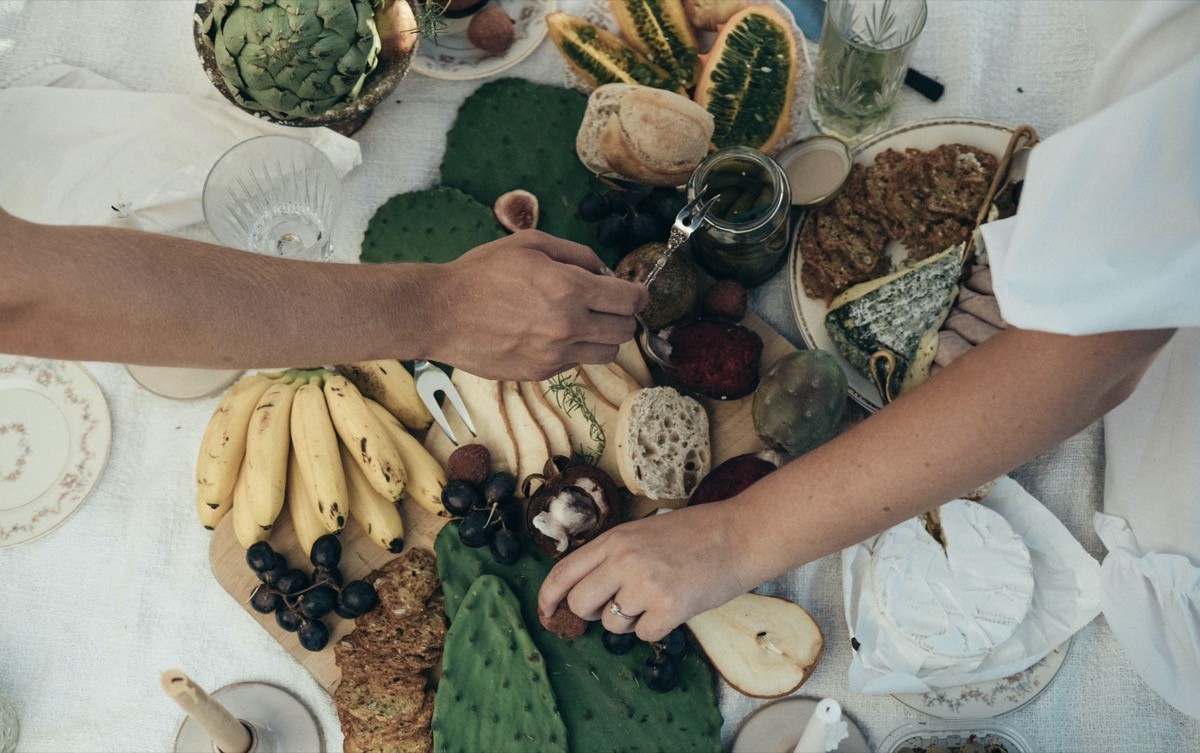
Start with what you love most. Scan the table before you start filling your plate. What dishes light you up? Maybe it's your grandma's mac and cheese or your cousin's famous cranberry relish. Choose what you genuinely want, not what you feel obligated to eat.
Build a plate that feels satisfying, not stuffed. You don't need to pile your plate high to enjoy the meal. Try smaller portions at first; you can always go back for more. Sometimes, a few mindful bites of your favorite dish bring more joy than a full serving you feel pressured to finish.
Take a breather before seconds. Give your body a few minutes to catch up to your taste buds. During that pause, talk with family, sip some water, or reflect on what you're thankful for. If you're still hungry after that short break, go for round two, add in some additional protein and fiber-rich options, guilt-free.
Slow down and savor. When you eat slowly and with intention, you experience more satisfaction. Notice the flavors, textures, and aromas. You might find that you feel content with less and connect with your meal in a more meaningful way.
Use Intuitive Eating to Find Your Thanksgiving Flow
Intuitive eating is about reconnecting with your body's natural wisdom. It's not a diet or a rulebook, it's a way to tune in, listen, and trust yourself around food. On Thanksgiving, intuitive eating can be your secret ingredient for balance.
Check in with your hunger before you eat. Are you truly hungry or just caught up in the excitement? There's no wrong answer, but awareness helps you make choices that feel good both during and after the meal.
Eat for satisfaction, not perfection. Thanksgiving foods are meant to be enjoyed. Let go of the idea of "good" or "bad" foods (food has no moral value) and focus instead on what brings you pleasure and comfort. When you honor both your cravings and your fullness, you naturally find balance.
Honor fullness and stop when comfortable. Feeling stuffed and uncomfortable can distract from the joy of the day. Try to stop eating when you feel satisfied, not when the plate is empty. Remember, leftovers are a Thanksgiving tradition too!
Release the guilt. Food guilt has no place at the table. Thanksgiving is about gratitude, connection, and nourishment - physical and emotional. You can fully enjoy a slice of pie and still be on track with your wellness goals.
Tracking the Holiday with AteMate
Thanksgiving is a great time to continue to build awareness around habits. Think of AteMate Food Diary as a mindfulness tool that helps you stay aware of your eating experience in a gentle, visual way.
Snap before you eat. Taking a photo of your meal helps you pause for a moment -- just long enough to ask, "Am I truly hungry? How do I want to feel after this meal?"
Reflect in real time. Add a quick note: Were you feeling joyful, nostalgic, or tired when you ate? How did the food make you feel - energized, satisfied, or overly full?
Look back and learn. Later, review your day as a visual timeline. You might notice patterns such as feeling more content when you take your time, or more sluggish when you rush or overeat. These insights can guide you beyond the holiday, helping you build habits rooted in self-awareness rather than self-criticism.
Choose Gratitude Over Guilt
At the heart of Thanksgiving is gratitude, not guilt. Gratitude for the people you love, the food on your plate, and your body's ability to enjoy and process it all. By approaching the holiday with curiosity, kindness, and mindfulness, you can fully embrace both the indulgence and the nourishment.
So, ditch the diet mentality. Enjoy your favorite dishes, listen to your body, and let the AteMate Food Diary help you stay present. You'll end the day feeling grounded, grateful, and satisfied - body and soul.
Thanksgiving isn't about restriction or excess. It's about connection, joy, and gratitude. When you pair intuitive eating with mindful tracking through AteMate, you can celebrate every flavor of the season while staying in tune with what your body truly needs.
Ready to find your Healthy?
More posts from this Author

Dr. Erin Nitschke

Building and Maintaining Habits
Small, consistent actions create lasting change more effectively than relying on willpower alone. You can build habits that truly stick.
Oct 18, 2022
3
minute read
Dr. Erin Nitschke

Coach Spotlight: Dr. Erin Nitschke
Twenty years of health coaching wisdom distilled into honest lessons about struggle, growth, and finding your unique path. These insights remind us that becoming our best selves is a deeply personal journey worth embracing.
Apr 25, 2023
6
minute read
Dr. Erin Nitschke

Cultivating Spiritual Health
Your core values shape how you move through the world, yet many of us have never paused to identify them. This clarity brings deeper alignment.
Nov 10, 2022
4
minute read